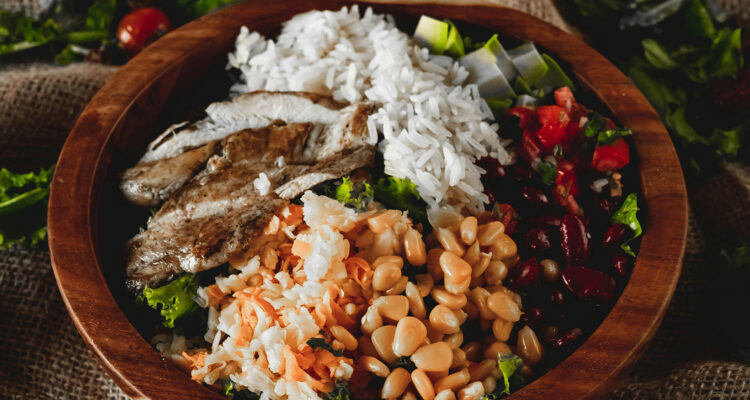
It’s about finding the right mix.
Story by Judy Spaar
Protein certainly wasn’t something our grandparents worried about. Their diets naturally provided them with the amount of pure protein they needed, from animal-based foods like beef, farm-fresh eggs, whole milk, and fresh vegetables. I personally remember my grandfather filling his bowl with corn flakes at breakfast, then sprinkling a tablespoon of sugar on top and dousing it with whole milk! He was over six feet tall and very active. My grandmother made homemade mayonnaise to slather on homemade bread slices with fresh home-grown tomatoes.
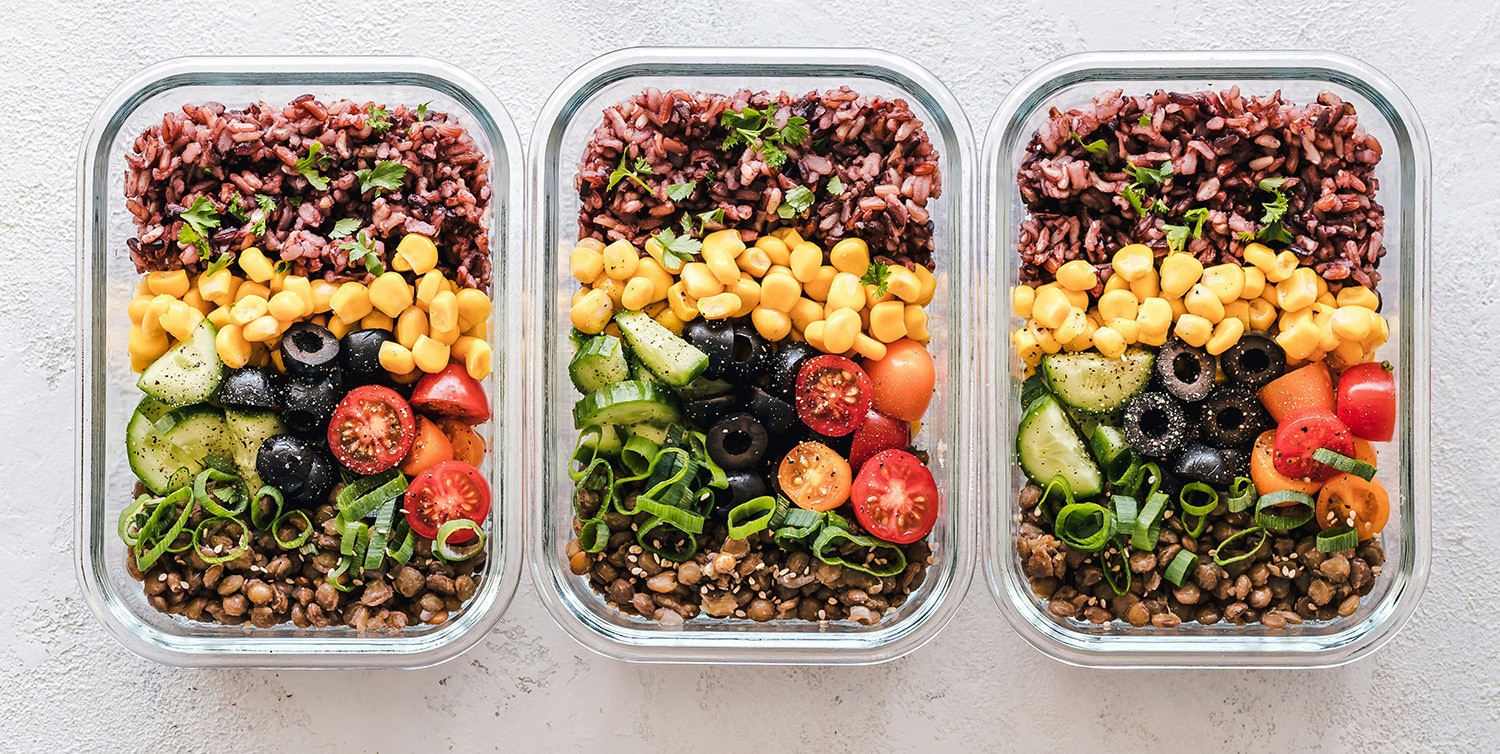
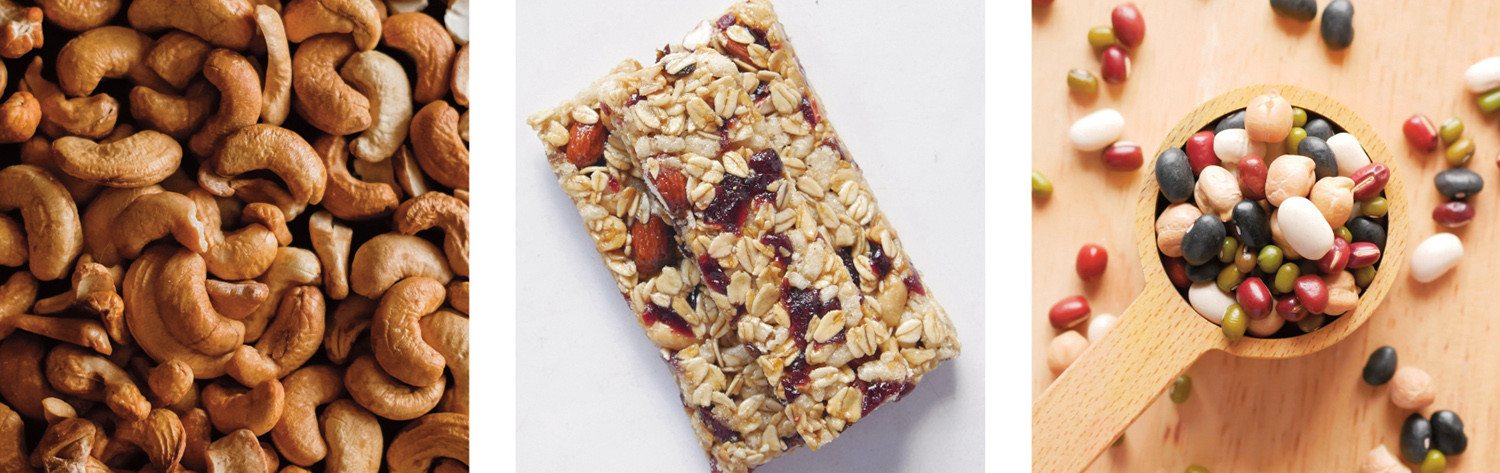
Plant-based proteins, such as fruits, vegetables, grains, nuts and seeds, can lack one or more of the essential acids our bodies need. If you abstain from eating animal-based foods, foods such as quinoa and chia seeds can fill it out.
So, what actually IS protein? It is found throughout our bodies, in muscle, bone, skin, hair, and virtually every other body part or tissue. It makes up the chemical reactions that carry oxygen in your blood. Are you getting too much protein, not enough or just the right amount? It depends on your gender, age, activities, use of weight-loss medication or supplements, and other factors that can affect your protein needs.
It is most beneficial to spread out eating protein throughout the day. Most people get most of their protein from evening meals and the least from breakfast. Some studies show that moving some protein from dinner to breakfast can help with weight management by decreasing hunger and cravings throughout the day.
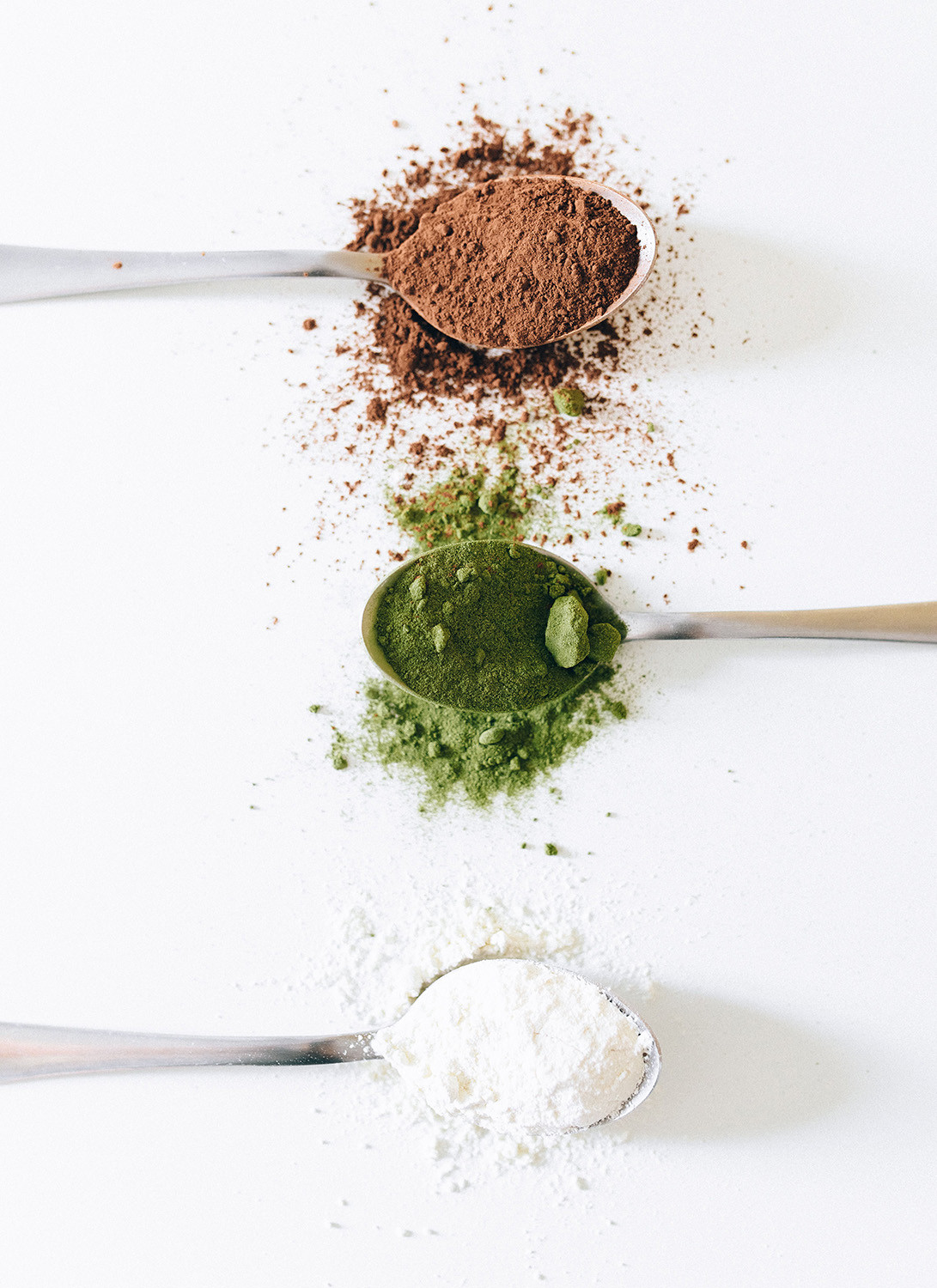
Explaining protein powders
Some powders contain protein from multiple sources, such as peas, pumpkin seeds, and sunflower seeds. Others include eggs, milk, soybeans, peas, or hemp. Be sure to check the non-protein ingredients, including vitamins and minerals, thickeners, and added sugars. Read the nutrition and ingredient labels before you partake. Rule of thumb: two grams or less of saturated fat, five grams of sugar or fewer, about 200 or fewer calories, and no trans-fat or partially hydrogenated oil.
How much protein do you need?
The National Academy of Medicine recommends adults get a minimum of 0.8 grams of protein for every kilogram of body weight per day, or just over seven grams for every 20 pounds of body weight. For a 140-pound person, this means about 50 grams per day. Of course, personal needs can vary with factors like age, exercise level, health conditions, and overall dietary patterns. That registered dietitian at your grocery store can help you determine your needs.

Protein equals bigger muscles?
While adequate protein throughout the day is necessary, extra strength training leads to muscle growth, not extra protein intake. You can’t build muscle without the exercise to go with it! Your body can’t store protein, so once its needs are met, extra protein is used for energy OR stored as fat. Excess calories from any source will be stored as fat in your body. Moderation is key.
What happens as we age?
If you’re over 40-50, sarcopenia, which is losing muscle mass as you age, begins to set in. To prevent this and to maintain independence and quality of life, your protein needs increase to about 1-1.2 grams per kilogram or 75-90 grams per day for a 165-pound person.

Easy protein bites
In general, it’s best to meet your dietary protein needs with whole foods instead of supplements, as long as your energy intake is adequate for building lean mass. Don’t be fooled by the trending processed products with protein in their name.
An average-sized banana, Greek yogurt, and a hard-boiled egg have 19 grams of protein, while a 3-ounce chicken breast with a half-cup of rice and a half-cup of vegetables amounts to 25 grams of protein. An egg and bean burrito with a glass of milk is about 28 grams of protein. Simple, right? Most people can meet their protein needs by including a serving of dairy at each meal and a piece of meat the size of a deck of cards at lunch and supper.