It’s Time to Visit The Great Pumpkin
Story by Judy Spaar
All those seeds inside your pumpkin can be amazingly beneficial to you. As you carve the pumpkin for Halloween, don’t leave those seeds lying on the paper, keep them! These little guys are packed with protein and are a healthy trick-or-treat!
The pumpkin itself holds a richness that improves skin tone, digestive health, eye health, and more! This winter squash is low-calorie and nutrient-dense, rich in vitamins, minerals, and antioxidants. While commonly known as a vegetable, pumpkin is scientifically a fruit as it contains seeds.
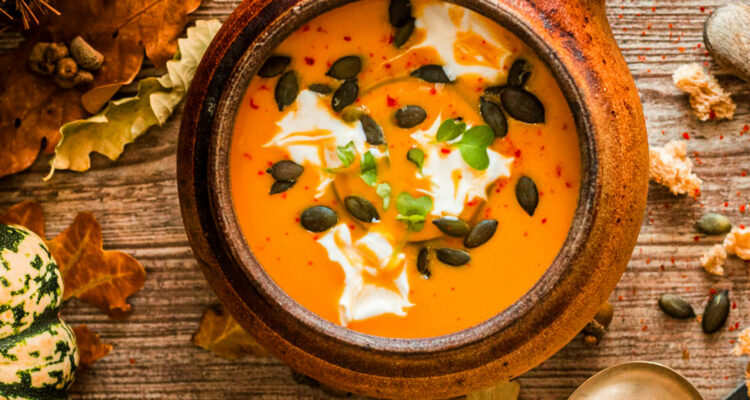
 Let’s begin by noting that it tastes delicious in soups, pies, lattes (watch out for that sugar in those!) and more. There is a wave of beauty labels that have recognized that it is rich in enzymes, amino acids, antioxidants, and vitamins A and E. The skin wants to get in on the game too with offerings that include serums, cleansers, masks, toners, scrubs, and more, ideal for winter months.
In addition, pumpkin seeds boost hair growth by blocking DHT, a hormone that causes thinning, and provide essential zinc for follicle repair. Research shows that eating just one ounce daily can increase hair count by up to 40 percent over six months. That’s nothing to squash about.
Now that fall is in full swing, you can find pumpkin-inspired foods everywhere you look, from cereal to yogurt to coffee to ravioli to pies and cookies. But let’s pay attention to the health benefits of fresh pumpkin. From reducing inflammation to maintaining normal blood pressure, pumpkin is high in carotenoids like beta-carotene, which your body turns into vitamin A. One cup of cooked pumpkin provides 78 percent of the RDI for vitamin A.
It also contains nutrients that can improve your heart health, such as high potassium, vitamin C and fiber. Its high antioxidant content may protect bad LDL cholesterol from oxidizing. How about its healthy diet components? Pumpkin is considered a nutrient-dense food and has under 50 calories per cup, and about 94 percent water per cooked cup. This makes it weight-loss friendly, as you can eat more of it and take in fewer calories than rice and potatoes. Plus, it curbs appetite.
There is more… it is also one of the best sources of lutein and zeaxanthin, two compounds that can lower risks of age-related macular degeneration and cataracts. Its vitamins, like C and E, function as antioxidants and may prevent free radicals from damaging your eye cells.
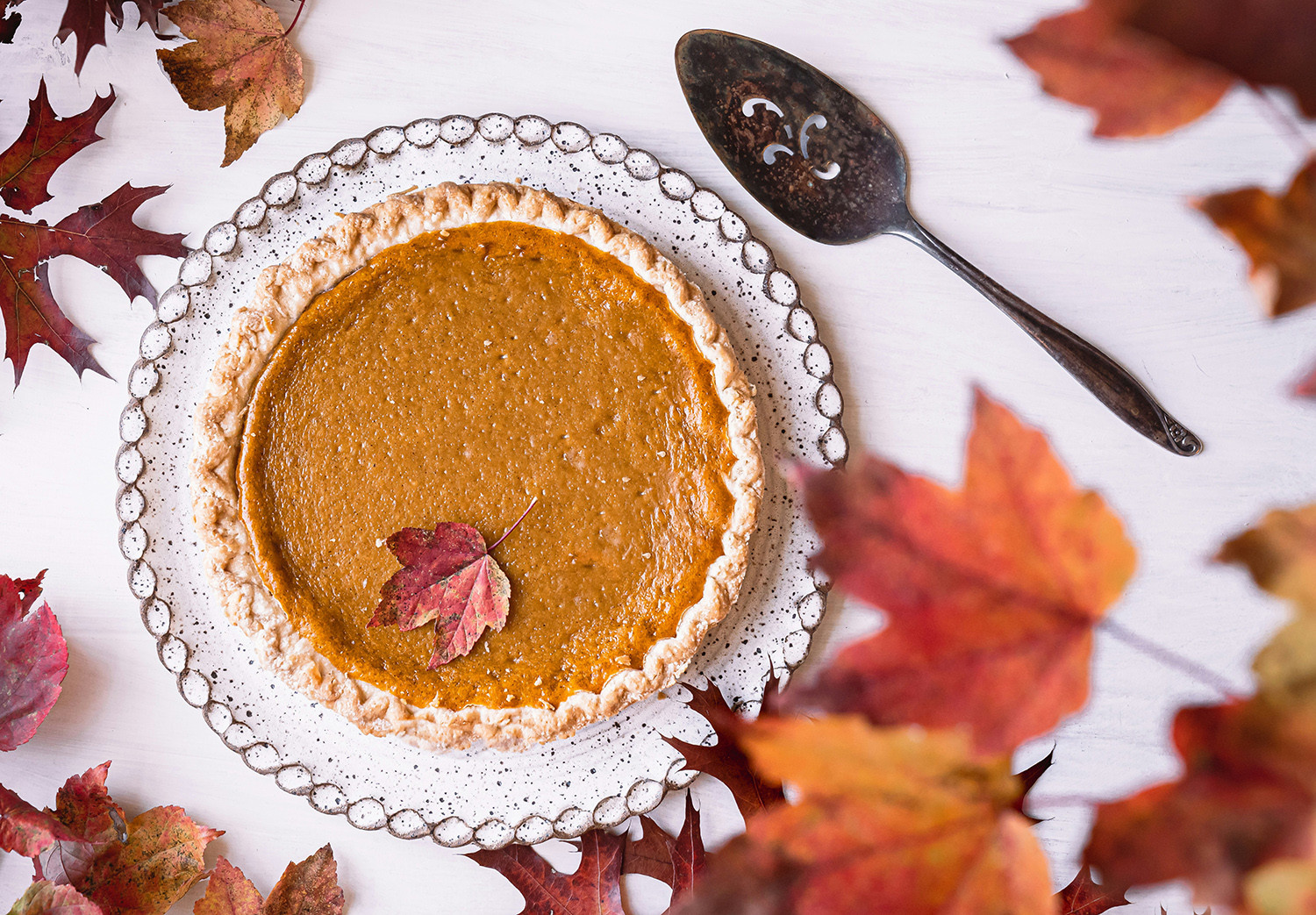
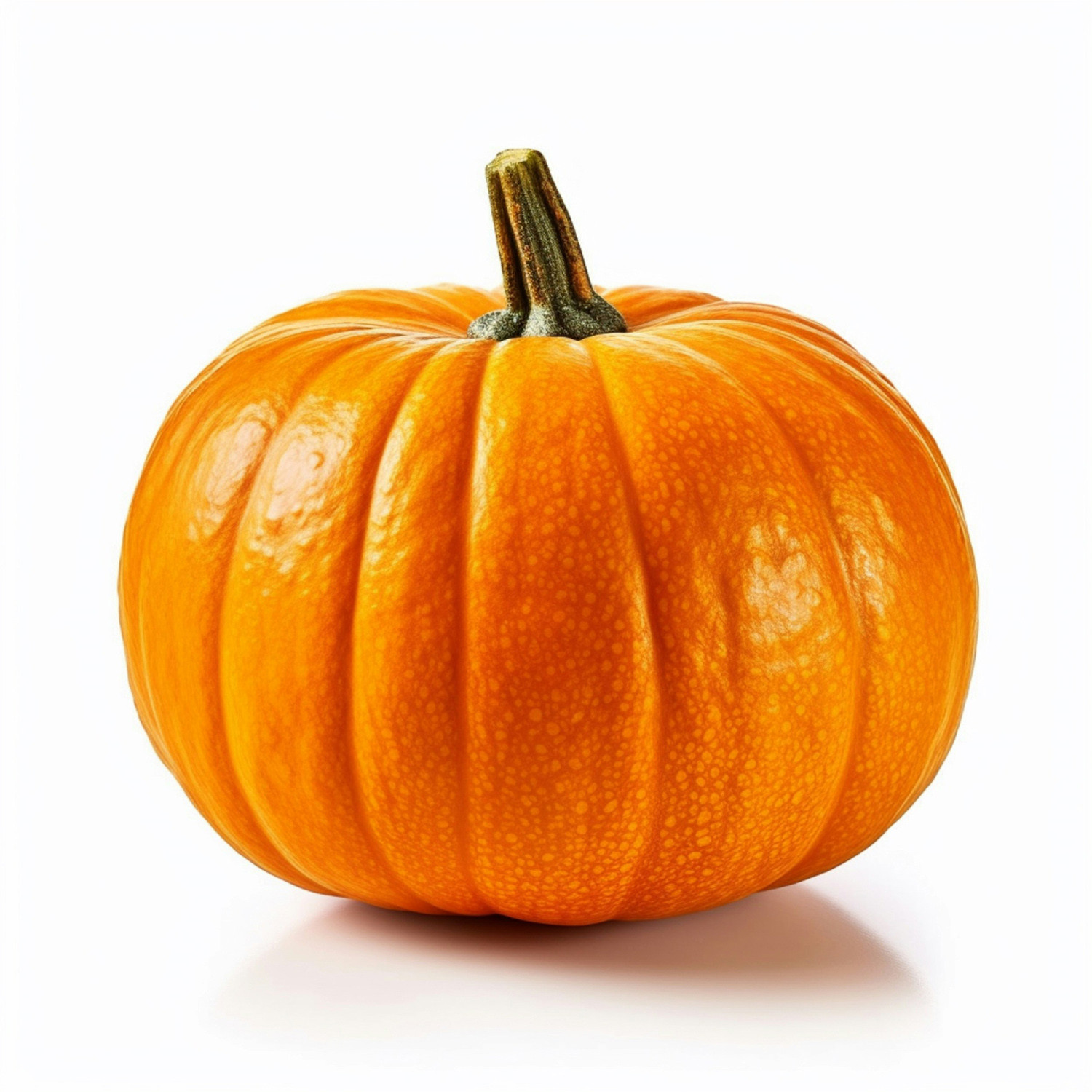
Let’s talk how to prepare pumpkin! Some tips include using small sugar pumpkins, also known as pie pumpkins, as they are best for recipes. You can use larger ones, but don’t eat your carved ones, as they can contain bacteria and such from sitting outside. When pumpkins are stored in a cool, dark, dry place, they can remain fresh for several months. And when cut into chunks or pureed, it freezes well, so you can add this delicacy to soups, pies, breads, custards, and even protein shakes for the fiber and texture.
Steps to prepare for cooking and baking throughout fall and year-round:
- Use a sharp knife to peel a pumpkin.
- Cut off the top, then cut a slice off the bottom so it sits flat.
- Remove slices of skin from top to bottom in vertical strips.
- Slice the pumpkin in half and remove the seeds and stringy pulp with a large spoon ( but keep those seeds! )
- Cut into chunks.
To make puree, steam the chunks until soft and drain well, then use a masher, food processor, or blender to puree until smooth. Be sure to drain to remove excess moisture. Of course, you can also use canned, unsweetened 100 percent pumpkin in recipes.
Back to the seeds. Packed with protein, fiber, and minerals including iron, copper, magnesium, manganese, phosphorus, zinc, potassium, folate, niacin, and selenium – whew! They are healthy with poly- and mono-unsaturated fats and make a yummy, crunchy snack.
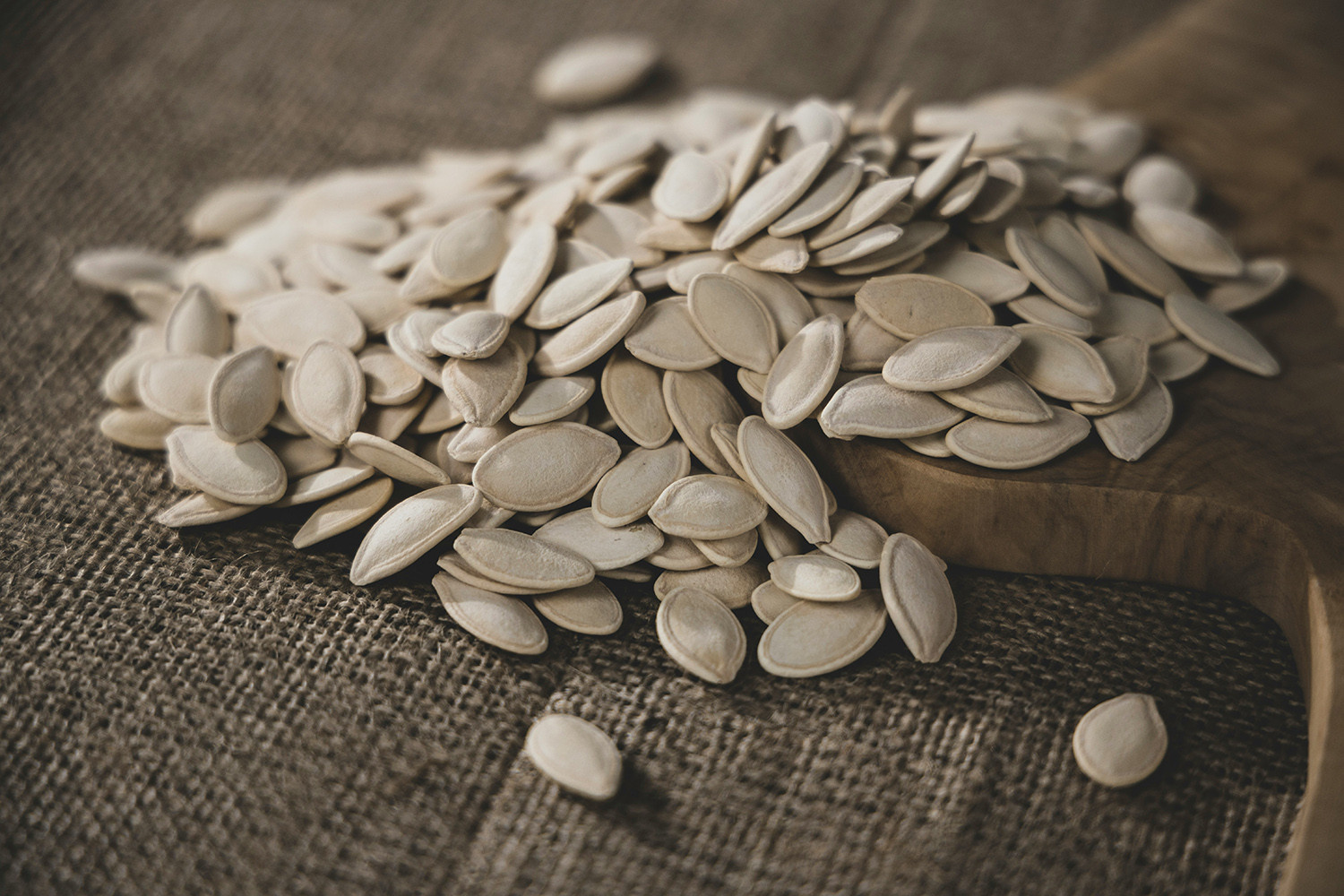
Here is a simple recipe:
- After scooping the pulp and seeds from a pumpkin, separate the seeds from the pulp.
- Place the seeds in a colander and rinse well to remove pumpkin flesh.
- Drain and pat dry with a cloth dish towel as the seeds will stick to paper towels.
- Spread them on a baking sheet and bake at 250 F until dry, about an hour
- For fun, toss them with olive oil, season with salt, pepper, or other flavors and roast at 350 F, tossing occasionally, until golden brown and crisp, around 20 minutes.