
Cabinet IQ
C A B I N E T D E S I G N S H O W R O O M
Story by Judy Spaar / Sponsored Content
A kitchen remodel often begins with the fun stuff: cabinet colors, countertops, backsplash, and hardware. At Cabinet IQ, the process begins somewhere else: understanding how people actually live.
Tim Moore wasn’t specifically looking to enter the remodeling industry when he began searching for his next business venture. His background has centered around leadership, systems, customer experience, and building organizations that put people first. As he explored different opportunities, he was drawn to Cabinet IQ because of its emphasis on education, thoughtful design, and helping homeowners make informed decisions.

Ironically, his own remodeling experiences helped shape the way he wanted to approach the business.
“A year-long exterior renovation showed me how poor communication and lack of accountability can affect the remodeling experience,” Moore explained. “Years earlier, we had renovated our kitchen, and while I thought it was successful at the time, I later realized we’d made many decisions before really understanding what was possible.”
That realization continues to influence how Cabinet IQ approaches projects today.
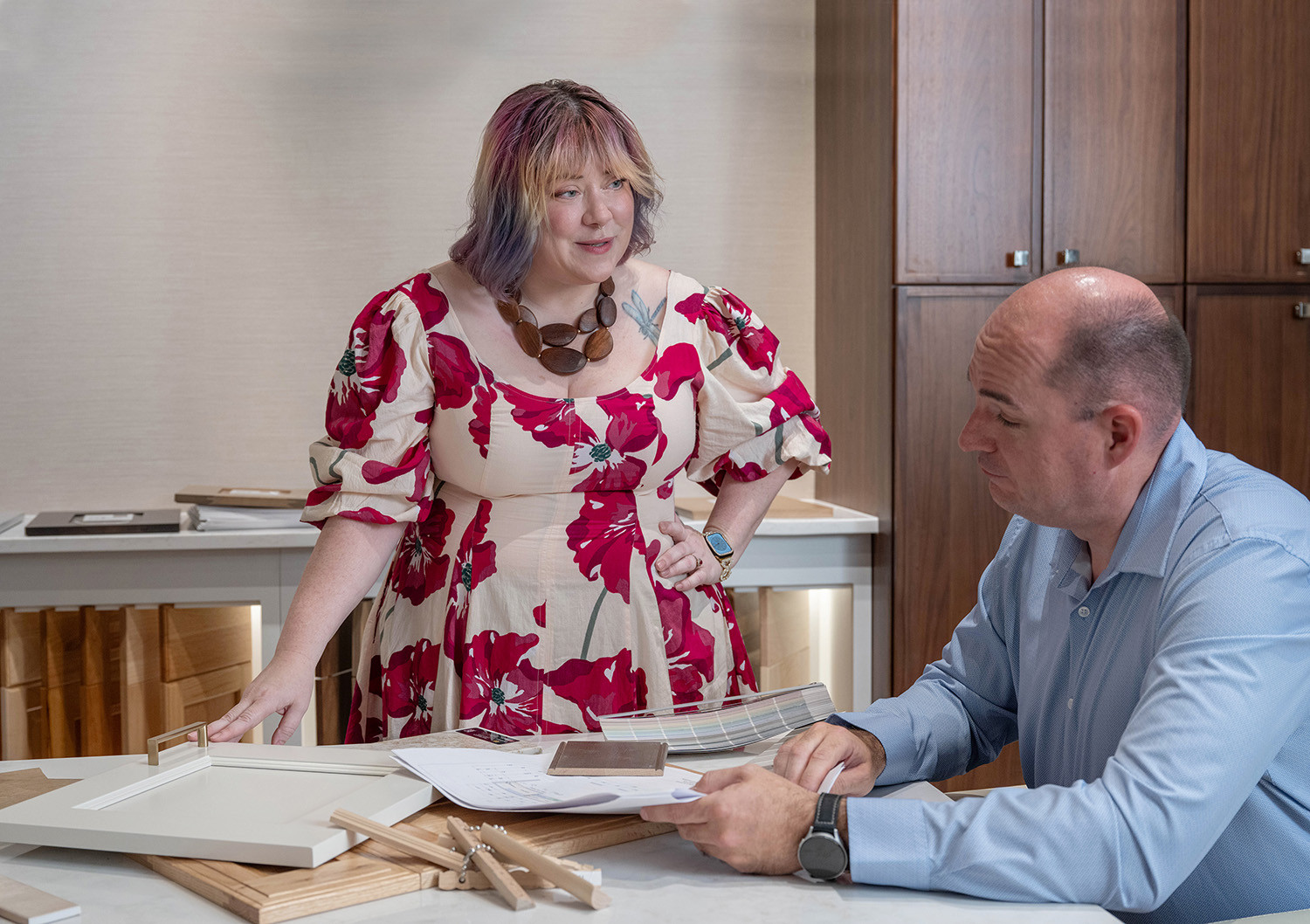
The four-step process begins with Discover, where the team gets to know the homeowner and how the kitchen needs to work for them. How do they cook? How do they entertain? What works in their current kitchen? What frustrates them? Where do they need more storage or a better layout?
“Every family has its own personality, and I believe every kitchen should reflect that,” Moore said. “While we’re learning about the homeowner, they’re discovering what’s possible for their home.”
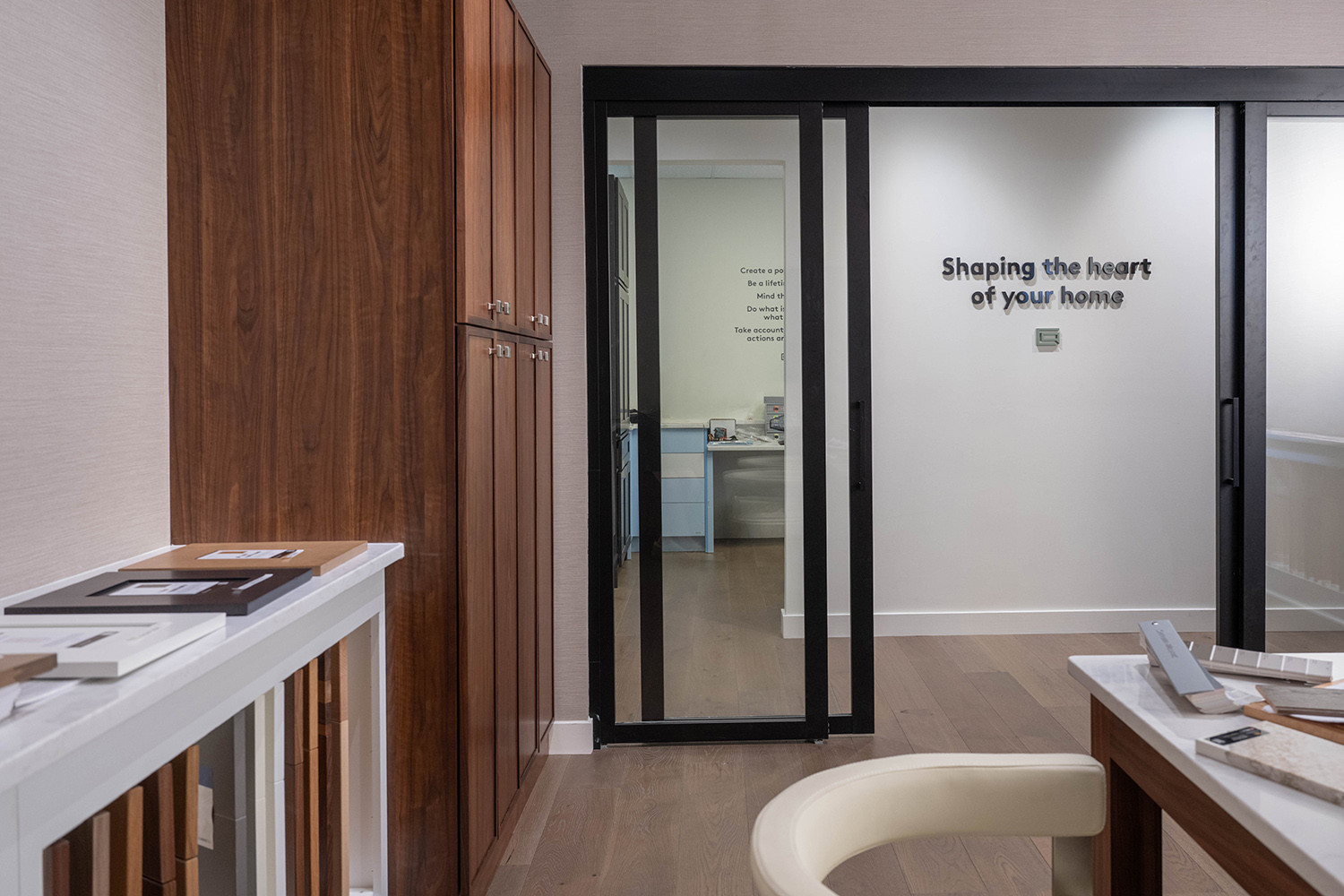
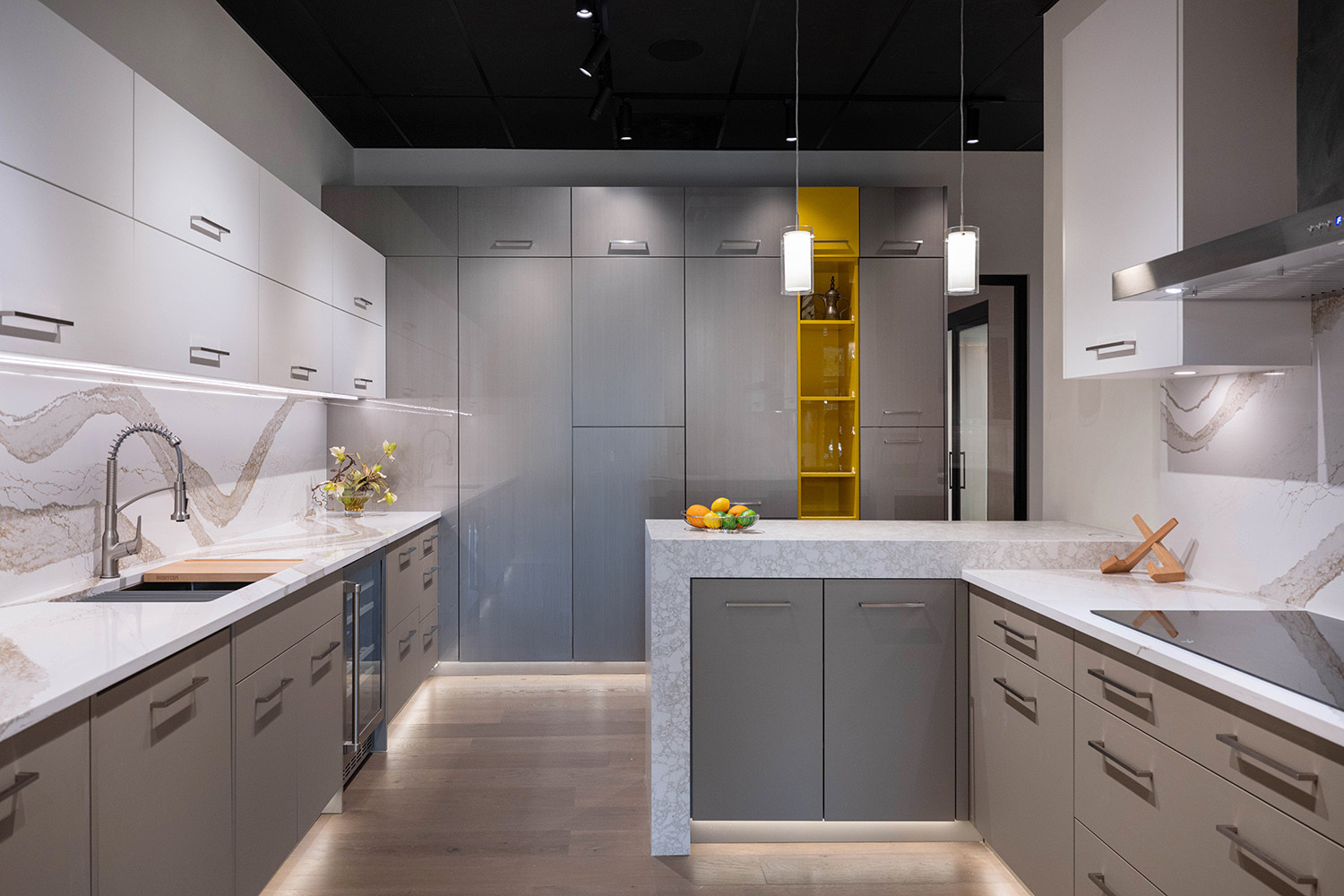
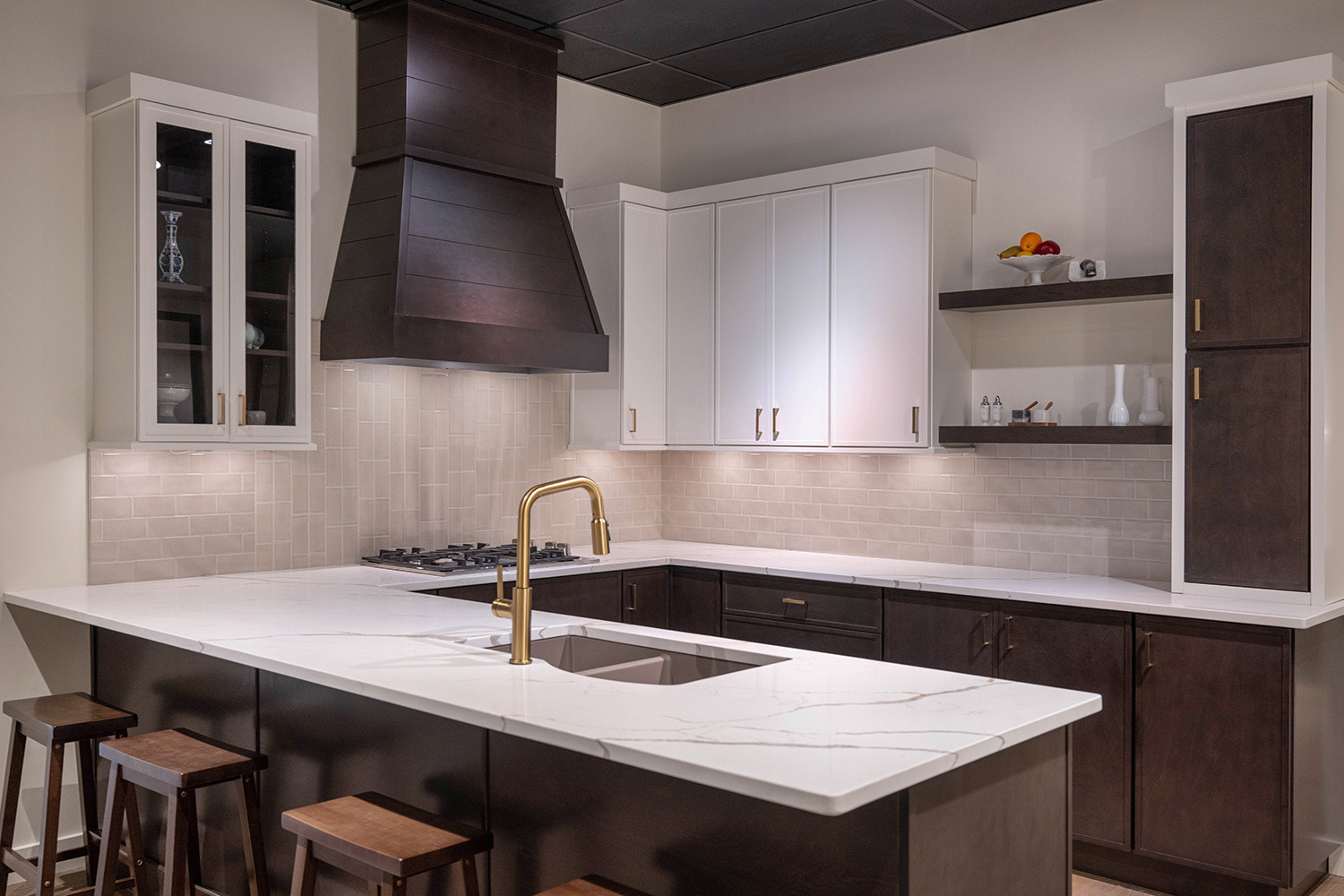
That philosophy comes to life in the Lee’s Summit showroom. Rather than rows of cabinet doors and countertop samples, the showroom features complete kitchen environments where homeowners can open drawers, experience storage solutions, compare layouts and see how lighting, materials and functionality work together.
“A lot of homeowners start by choosing cabinet colors and countertop samples,” Moore said. “The better place to start is asking whether you’ll still love the way your kitchen functions ten years from now. The colors are important, but great design begins with how you live, not just how you want it to look.”
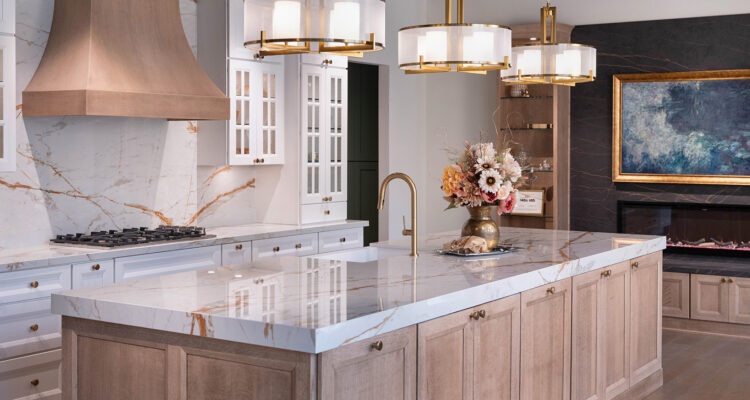
That focus on functionality is reflected in today’s kitchens, with greater interest in thoughtful organization, larger drawer storage, appliance garages, and layered lighting. Aesthetically, natural wood tones, warmer whites, textured finishes and softer elements such as curved islands and range hoods are creating spaces that feel warmer and more inviting. Timeless transitional design continues to resonate because it blends traditional and contemporary elements without feeling tied to a particular moment.
Moore believes a successful remodel goes beyond creating a beautiful space.
“If homeowners leave our showroom inspired, excited and confident, not because we sold them something, but because they better understand what’s possible for their home, then we’ve accomplished exactly what we set out to do,” he said. “Even if they aren’t ready to begin a project immediately, I want them to leave knowing more than when they walked in.”
For Cabinet IQ, that’s the heart of the process: helping homeowners make thoughtful decisions about a space that plays such a central role in the life of their home.