Squeeze the joy out of every day by being “fruitilicious”
Story by Judy Spaar
This summer, we are calling your attention to the fresh fruits you can find at your local farmers market or grocery store produce section, from bright red apples, deep purple grapes, yellow pineapple, sweet strawberries and grapefruit glory. Which are the healthier fruits and why? Which are laden with natural sugar, and which are not? Let’s take a juicy look at your options.
Bananas
- One medium banana actually has a whopping 14 grams of sugar.
- Try slicing half on your morning cereal or smash a small piece in the middle of your peanut butter sandwich.
- To combat the sugar, consider that they are actually the perfect fruit to provide energy on the go, as a pre-workout energy boost.
- One medium banana has 27 grams of carbohydrates! And potassium!
Watermelon
- Watermelon is high in lycopene, an antioxidant which studies suggest can lower the risk of certain cancers and improve heart health.
- Lycopene helps give watermelon its red color and can be found in other foods like tomatoes, grapefruit, and papaya.
- One cup has 9.4 sugar grams.
Guavas
- This flavorful fruit only has five grams of sugar!
- It also offers three grams of fiber, which is more than a serving of brown rice or a slice of whole grain bread.
- With the entire fruit being edible, try adding it with its skin to your smoothies.
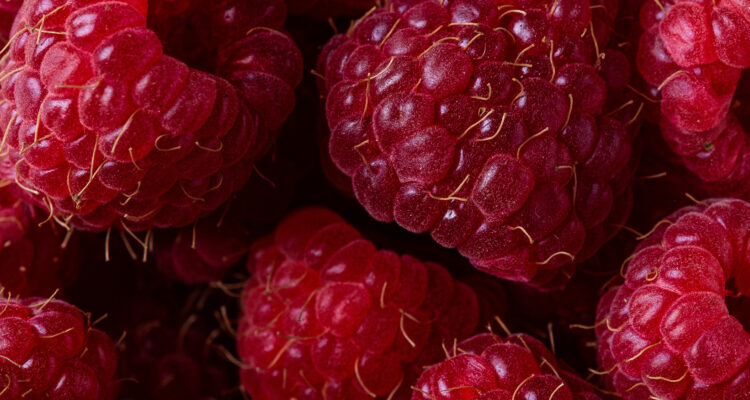
Raspberries
- These sweet treats have a whopping eight grams of fiber per cup.
- Its fiber content is so good for your digestion.
- And only five grams of sugar.
Strawberries
- One cup only has seven grams of sugar.
- Add these bright berries to salad for sweet taste, while helping to stabilize blood sugar spikes.
- They are a good fruit choice for people with diabetes as they have 15 grams of carbohydrates per cup and three grams of fiber.
Cantaloupe
- A single medium wedge only has five grams of sugar.
- Only 23 calories in that wedge.
- Try them with cottage cheese.
Blueberries
- Blueberries are full of antioxidants.
- Wild, fresh blueberries are loaded with anti-inflammatory benefits.
- One cup has 15 grams of natural sugar, 3.5 grams of fiber and 1 gram of protein.
- Regularly eating wild blueberries has been shown to help improve memory and slow brain aging.
We visited with Tara Sallee, MS, RD, LD, Lee’s Summit East Hy-Vee Corporate Dietitian on the importance of fresh fruits and surprising pairings that add more power to their punch.
“Summer is a great time to take advantage of the plentiful options of fresh fruits! Fruits are loaded with nutrition, fiber and antioxidants, but blueberries top the charts. Blueberries rank among the highest foods for antioxidant content per serving. Antioxidants help fight cancer and cardiovascular disease. They are also an excellent source of vitamin C which is needed for growth and repair within the body and promotes a healthy immune system,” shared Sallee.
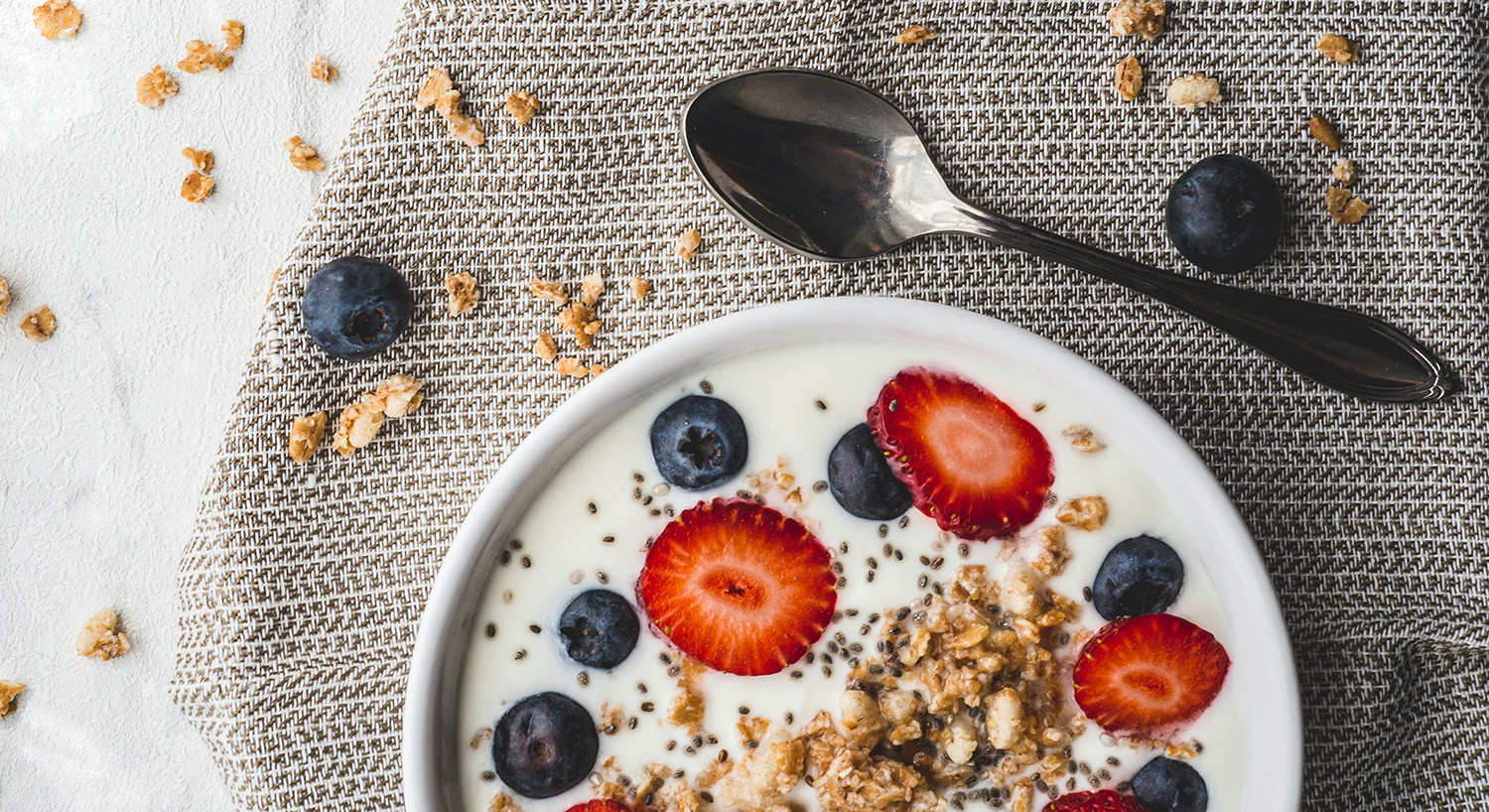
“In addition, blueberries are a good source of dietary fiber. Fiber aids in heart health, digestion, and is beneficial in lowering cholesterol. Try adding them to Greek yogurt with a sprinkle of hemp hearts on top for a nutrient rich breakfast, pairing a cup of blueberries with low-fat string cheese or a hardboiled egg for a power snack or freeze them for a refreshing summer treat!”
For more flavor, partner some protein with fruit to regulate blood sugar, preventing rapid spikes caused by the natural sugars in fruit. Protein slows digestion and the absorption of carbohydrates, promoting stable energy levels. Pairing fruit with healthy fats or fiber provides similar benefits.
Best Pairings for Blood Sugar Control
- Berries or Apples with Nut Butter: Almond or peanut butter provides fat and protein to slow sugar absorption.
- Fruit with Greek Yogurt: Plain, unsweetened Greek yogurt adds significant protein to low-glycemic fruits like berries.
- Fruit with Cheese: Pairing apples or pears with cheese provides protein and fat.
- Fruit with Nuts/Seeds: Almonds, walnuts, or chia seeds added to fruit create a balanced snack.
Additional Tips for Managing Blood Sugar with Fruit
- Choose Lower-Glycemic Fruits: Focus on berries, cherries, pears, and apples, which have less impact on blood sugar compared to tropical fruits like pineapple.
- Portion Control: Keep fruit servings to about one cup, or a piece the size of a fist.
- Whole Fruit over Juice: Always choose whole or frozen fruit instead of juice, which lacks fiber and spikes blood sugar faster.
Armed with these tidbits and facts, it will be a joy to add colorful fruits to your diet this summer, and through all seasons!