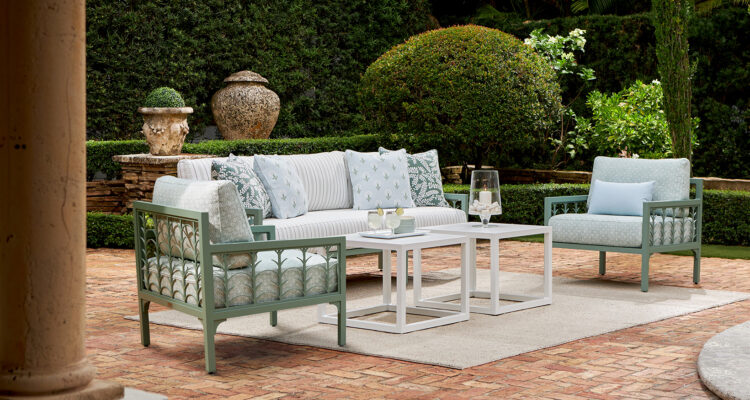
How outdoor spaces are becoming fully realized extensions of the home.
Story by Mollie Pfeifer / Photos courtesy of Design & Detail
Jensen Outdoor, Lane Venture, Summer Classics, Vanguard and Woodbridge Outdoor Furniture
Backyards are no longer being treated as leftover space. What was once a patio furnished with a grill and a few chairs is now being designed with the same level of attention as a kitchen or living room. Outdoor spaces have become an extension of the home, not just in appearance, but in how they function day to day. Beth McCabe, showroom manager at Design & Detail, a trade-only showroom that works closely with designers, architects, and builders, explains that the shift is changing how these spaces are planned, furnished, and used.
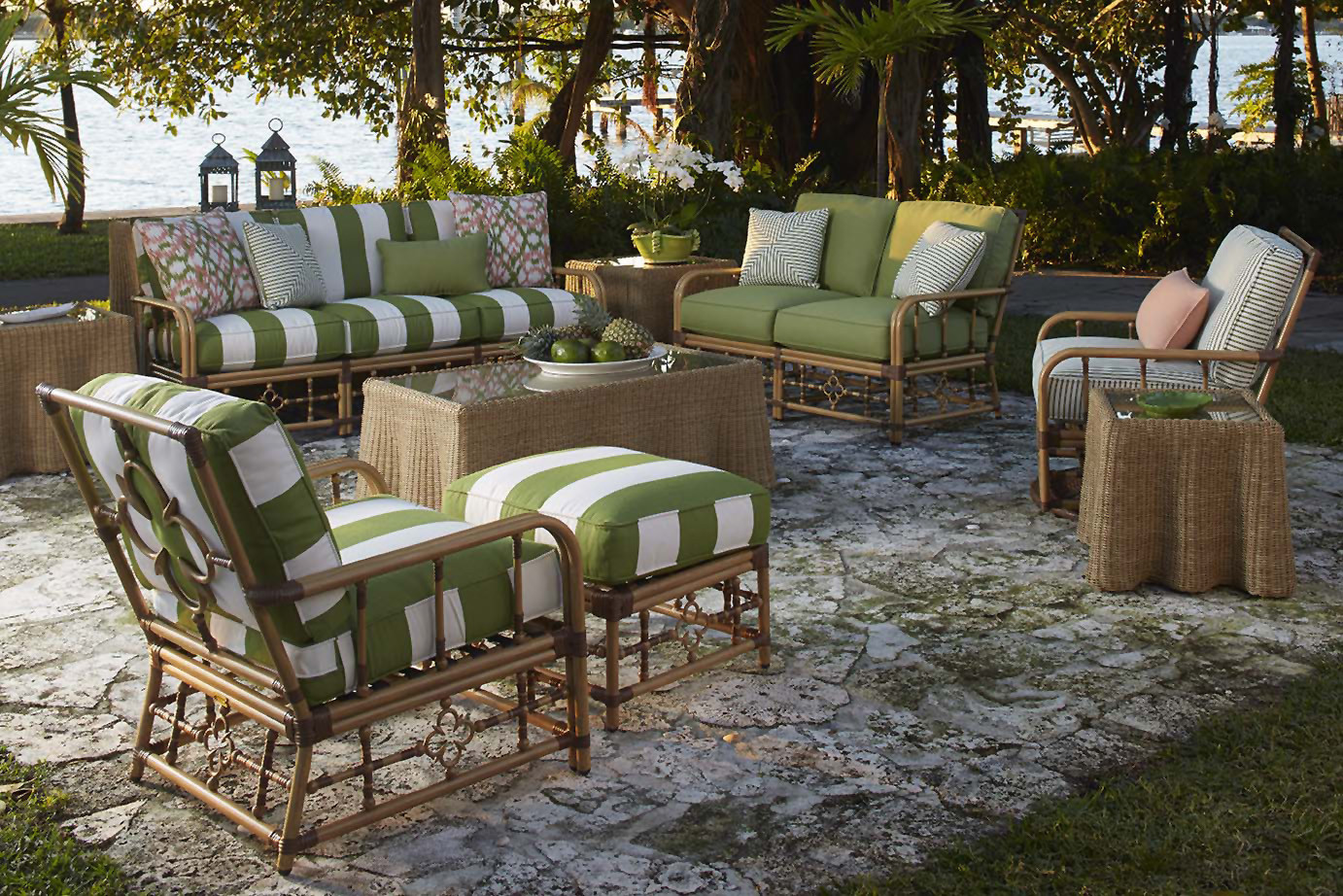
At the center of this shift is a straightforward idea. Outdoor living is no longer optional. It is an extension of the home in function and in feel. In recent years, homeowners have begun to expect more from their environments. Spaces must support both daily routines and gatherings. The outdoors, with its natural light and openness, adds usable space without requiring an addition.
Instead of a simple patio or deck, people are now designing fully functional outdoor rooms, McCabe says. These spaces are planned with intention. They often include kitchens, dining areas, lounge zones, fire features, and, in some cases, spa elements such as outdoor showers or hot tubs. The goal is not simply to spend time outside, but to create spaces people will use day to day.
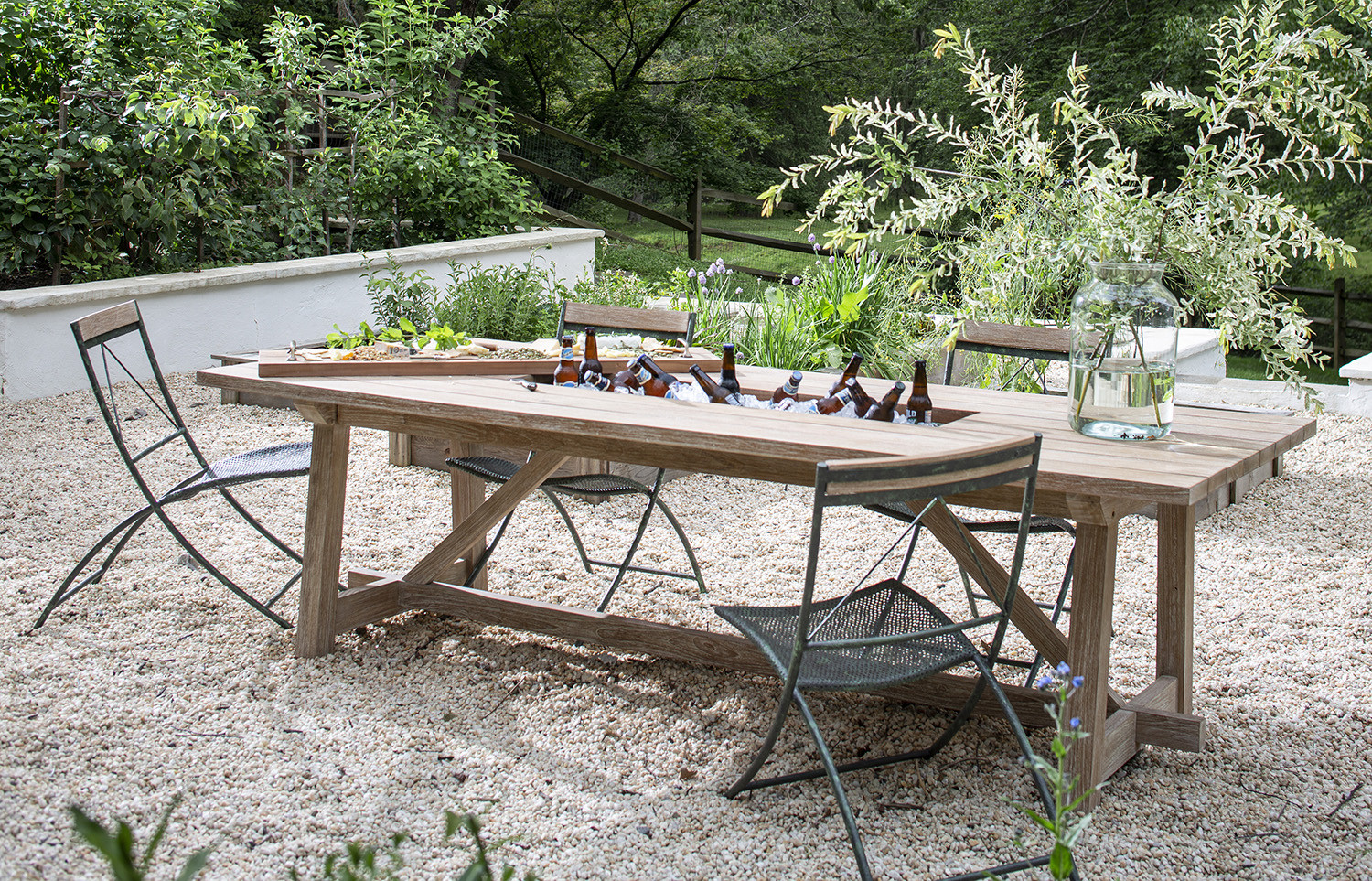
This shift is tied to how people are using their homes. More time spent at home has increased the value of spaces that support both downtime and entertaining. Outdoor areas can expand usable square footage without the cost of building an addition. They also offer something interiors cannot replicate: fresh air, natural materials, and a visual break from enclosed spaces.
As outdoor spaces take on a larger role, the way they are designed has become more deliberate. One of the most notable trends McCabe points to is continuity. Materials, finishes, and forms are carried from the interior to the exterior to create a cohesive experience. Flooring transitions align, color palettes are consistent, and furnishings reflect the same design language. The result is a space that reads as part of the home rather than an afterthought.
Material choices reinforce this approach. Warmer tones have replaced cooler grays, bringing a more natural and grounded feel. Wood, stone, and woven textures add depth. Even performance materials are being selected for finishes that feel closer to natural surfaces.
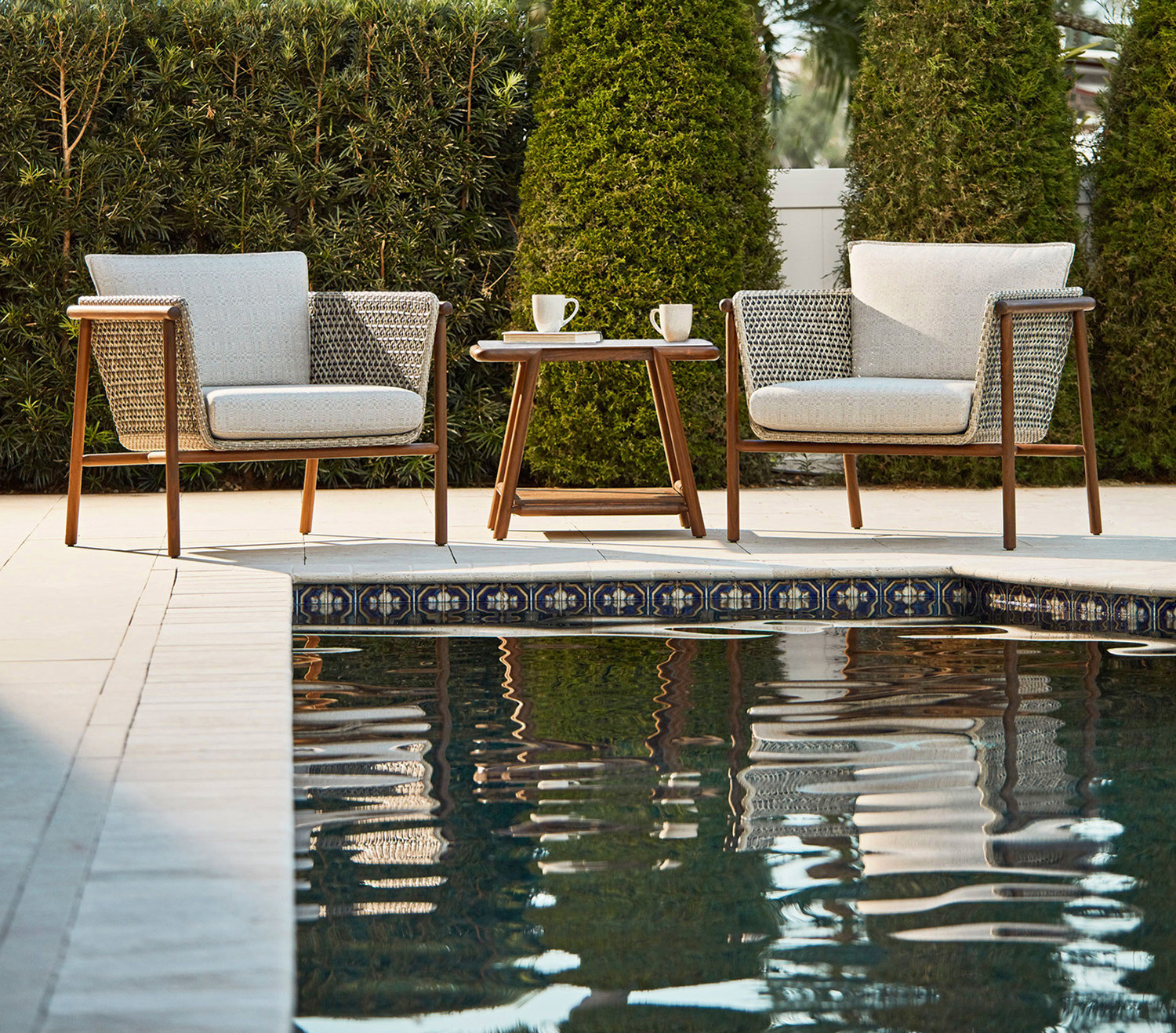
Outdoor furniture has evolved alongside these changes. Pieces are no longer strictly utilitarian. Fully upholstered seating is now designed to withstand exposure to weather, making it possible to create outdoor spaces with the same level of comfort as interior seating. Performance fabrics have improved significantly, offering durability without sacrificing softness or appearance.
Flexibility is also shaping how furniture is selected. Modular seating and adaptable layouts allow a space to shift between uses throughout the day. A seating arrangement can support morning coffee, a family meal, or a larger gathering without requiring a complete reset. This adaptability allows outdoor spaces to remain functional without feeling overdesigned.
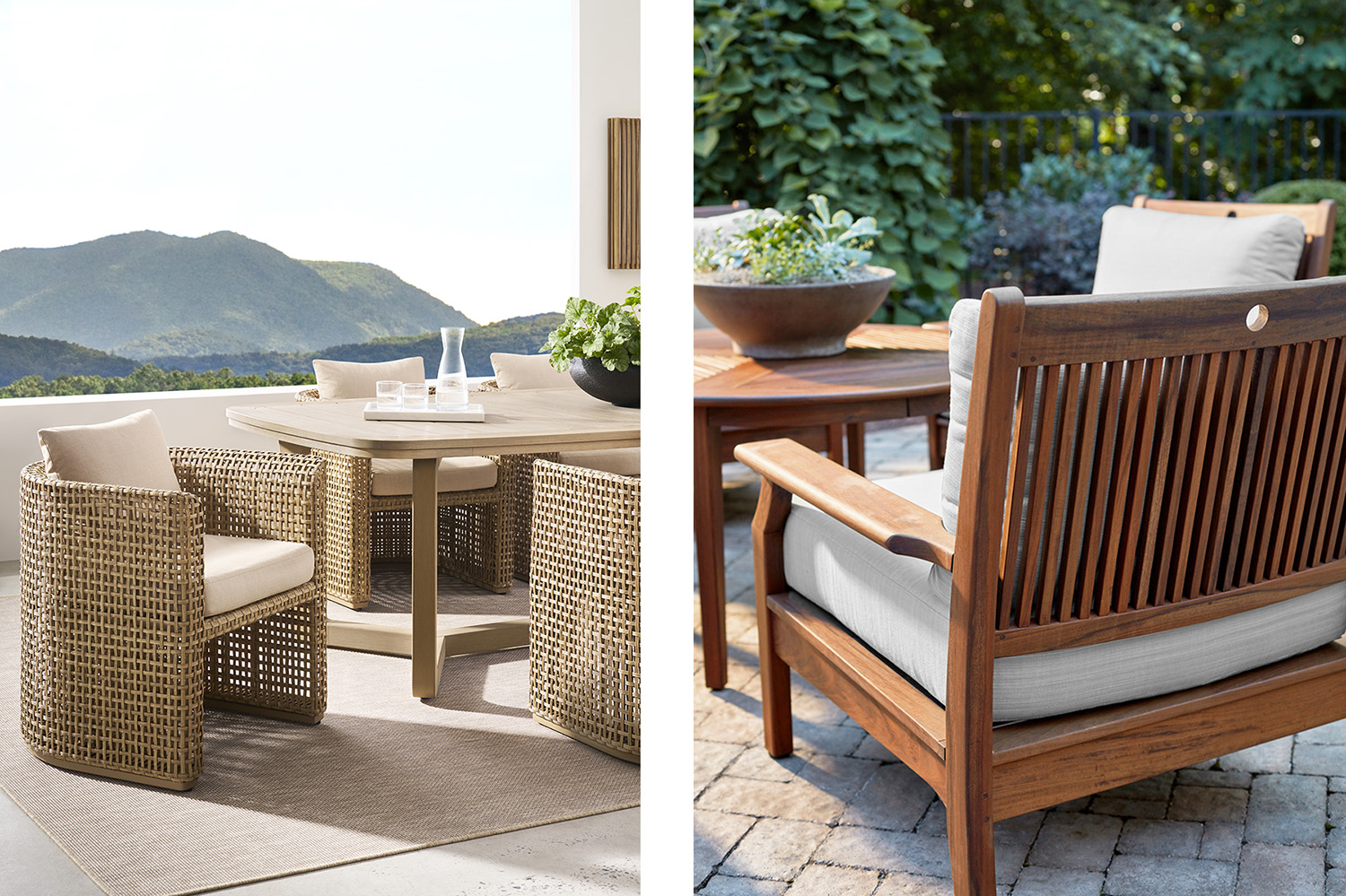
Organization plays a critical role in how these spaces function. Beth McCabe emphasizes the importance of creating defined zones. Separating areas for dining, lounging, and quiet use helps make a space more usable. A dining area anchored by a substantial table and comfortable seating gives people a reason to sit and stay longer. A lounge space arranged around a fire feature or central point creates a natural place to settle in. Even a smaller, more private area can serve as a place to step away.
Outdoor kitchens have become a key component as well. What was once limited to a grill now often includes prep space, storage, and refrigeration. These additions make it easier to cook and dine outside on a regular basis rather than reserving it for occasional use.
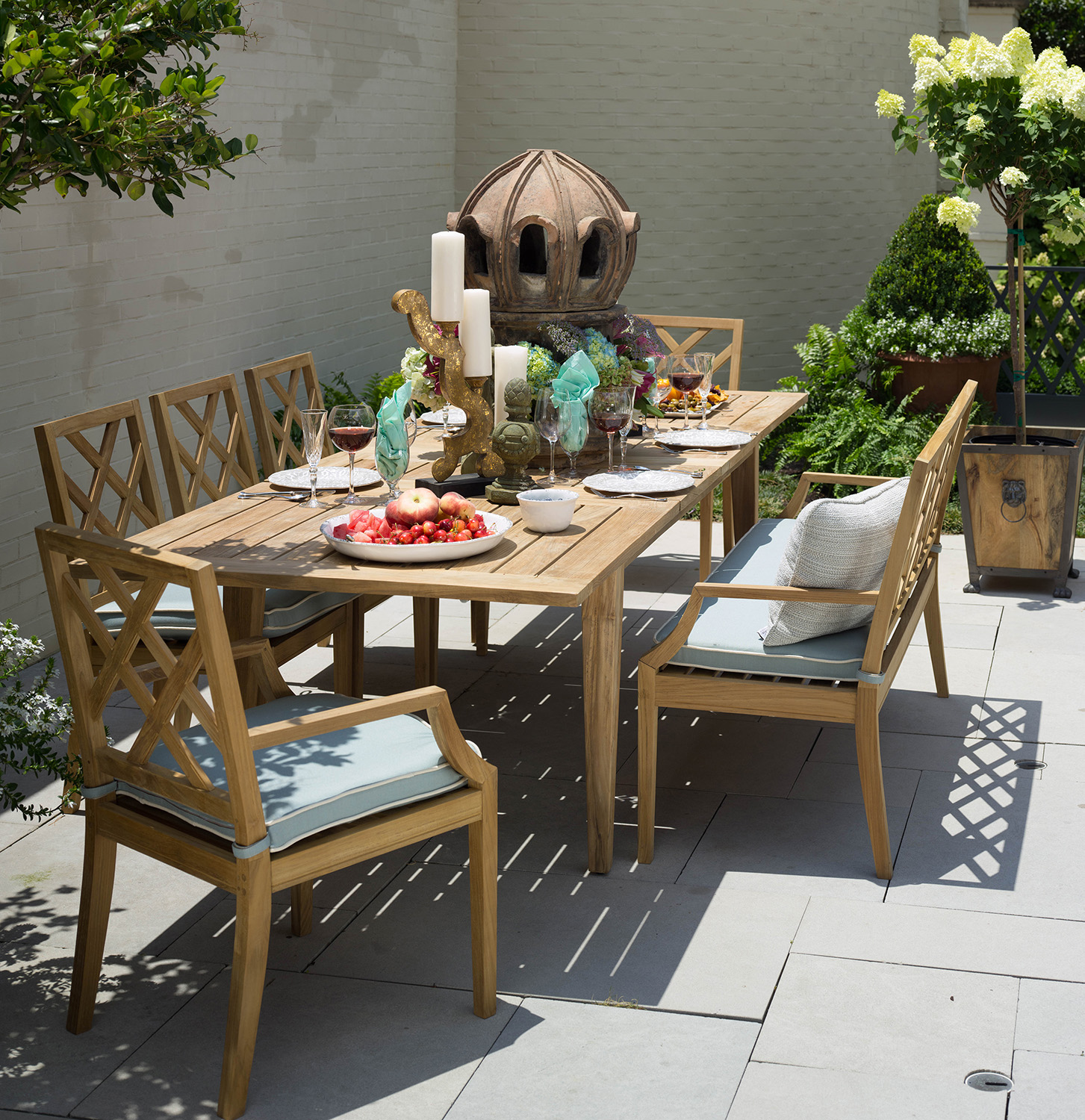
While design and layout are important, performance remains a central consideration. Outdoor furniture and materials must withstand sun exposure, moisture, and temperature changes. As McCabe notes, the most important shift for homeowners is moving away from trend-driven purchases and toward long-term investments.
Material selection is essential. Powder-coated aluminum resists rust and holds up over time. Teak remains a strong choice for its durability and the way it ages. Performance fabrics are designed to resist fading and moisture. Finishes must be rated for outdoor use to prevent cracking or discoloration. Construction also matters. Joinery, welding, and overall craftsmanship determine how well a piece performs over time.
The result is an outdoor space that feels intentional and easy to use. It supports everyday routines as well as larger gatherings. It holds up over time. And it reflects the same level of consideration given to the interior of the home.