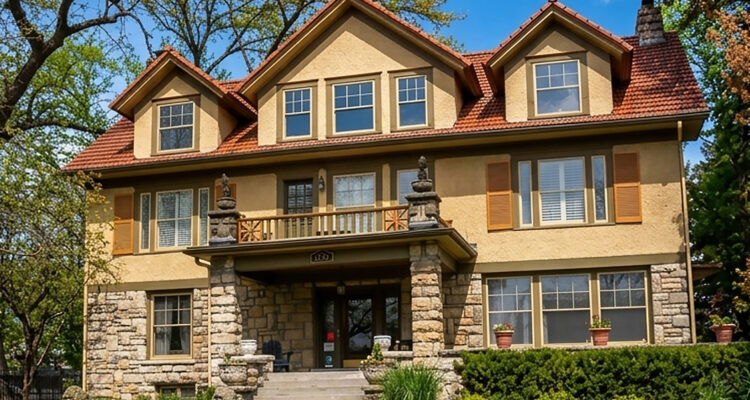

A century-old Prairie Style gem takes the final center stage as this year’s Symphony Designers’ Showhouse.
Tour Dates: June 13th – July 5th
Story by Ann Butenas
When Blair Thedinger and Ellen Ritchie signed the papers on their new home, they did not just buy a house. They inherited a legacy.
Built in 1909 for Alfred J. Poor, founder of A. J. Poor Grain Company, the 5,890-square-foot, three-story Prairie Style residence has anchored Kansas City’s Simpson-Yeomans/Country Side Historic District for more than a century. Designed by Herbert Poor, the founder’s own son, the home’s open front porch, stone-veneered first story, stucco second story, and gable/barrel tile roof make it a striking example of the architectural movement that once swept the Midwest. This spring, it steps back into the spotlight as the featured property of the 2026 Symphony Designers’ Showhouse, the Kansas City Symphony Alliance’s final tour showhouse.
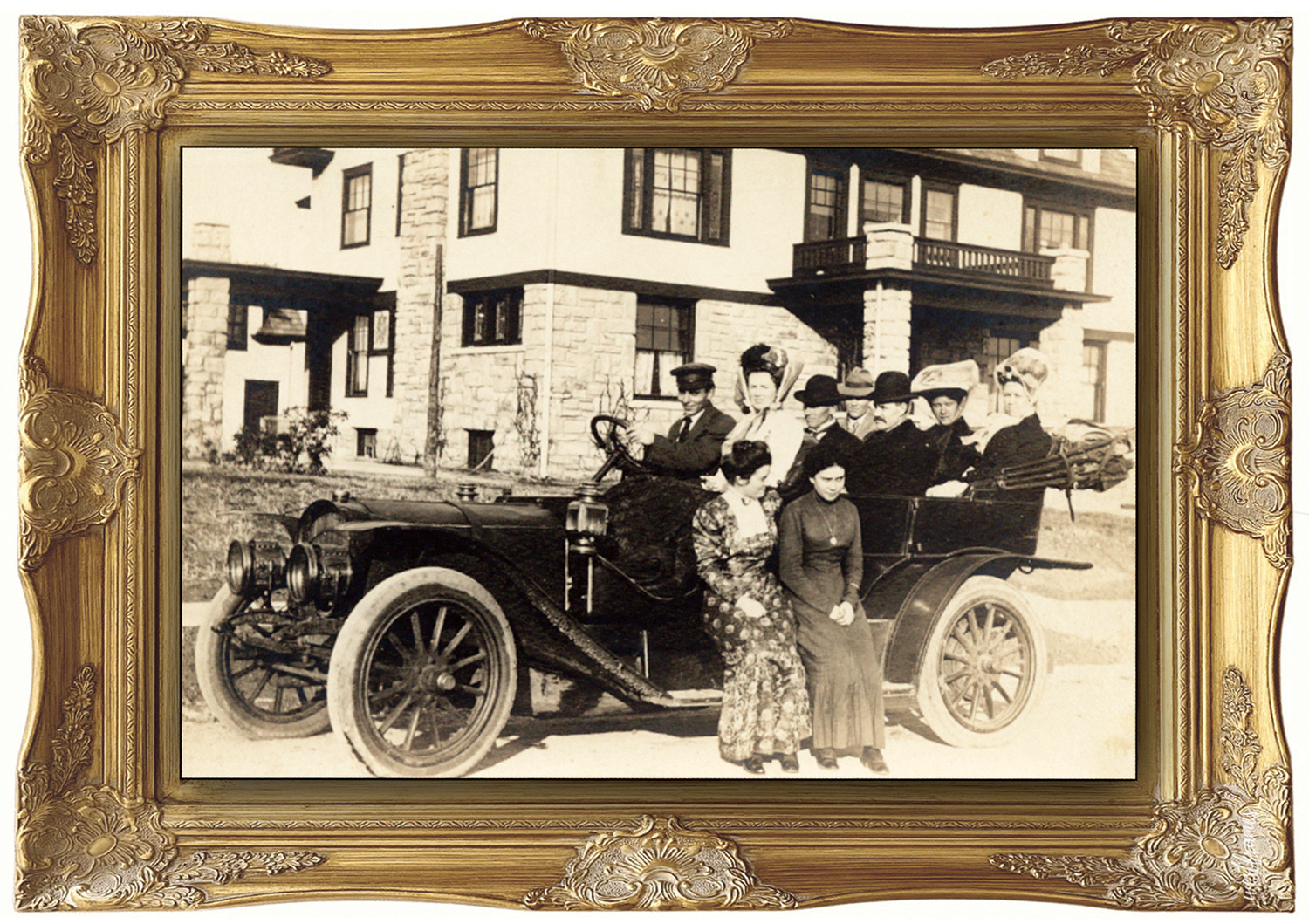
An Unexpected Love Story
For 14 years, Blair and Ellen lived in a 1930s farmhouse on an urban farm in Kansas City, Kansas. In 2025, they decided to trade their homestead for a more walkable life near Loose Park, the Trolley Trail, and the streetcar line. Their Realtor, Blair Tyson with the Anderson Dreiling Group at ReeceNichols, noticed their love of historic homes and arranged a private tour of a property not yet on the market.
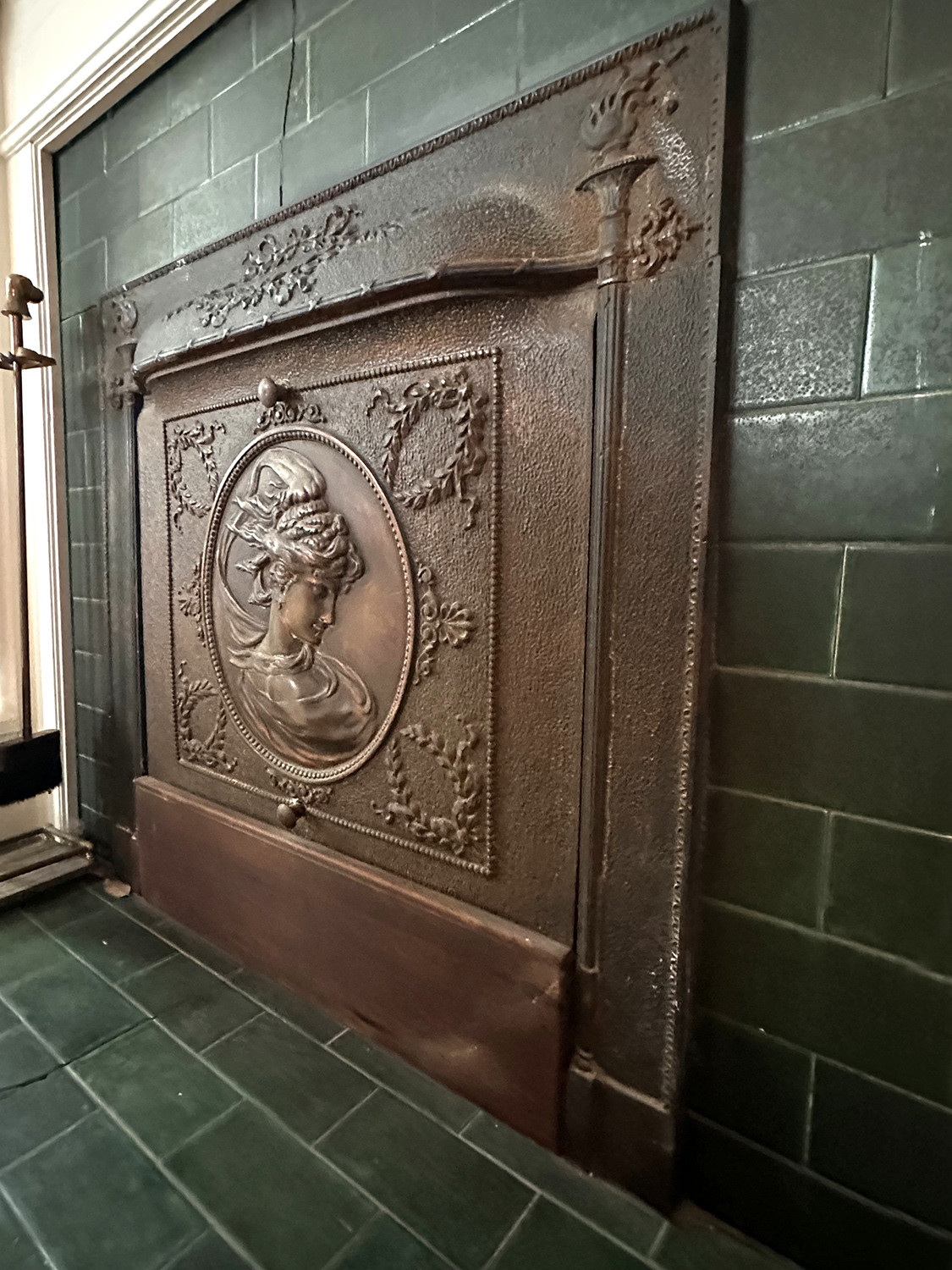
They fell for it immediately: the handmade tile in the entryway, the stained glass and beveled windows, the original fireplaces. Still, the sheer scale of the home gave them pause, and they initially walked away. Days passed. They could not stop thinking about it.
“We noticed we were already imagining our family and friends in the space,” said Ellen. “So, we decided to go for it.”
The Showhouse Opportunity
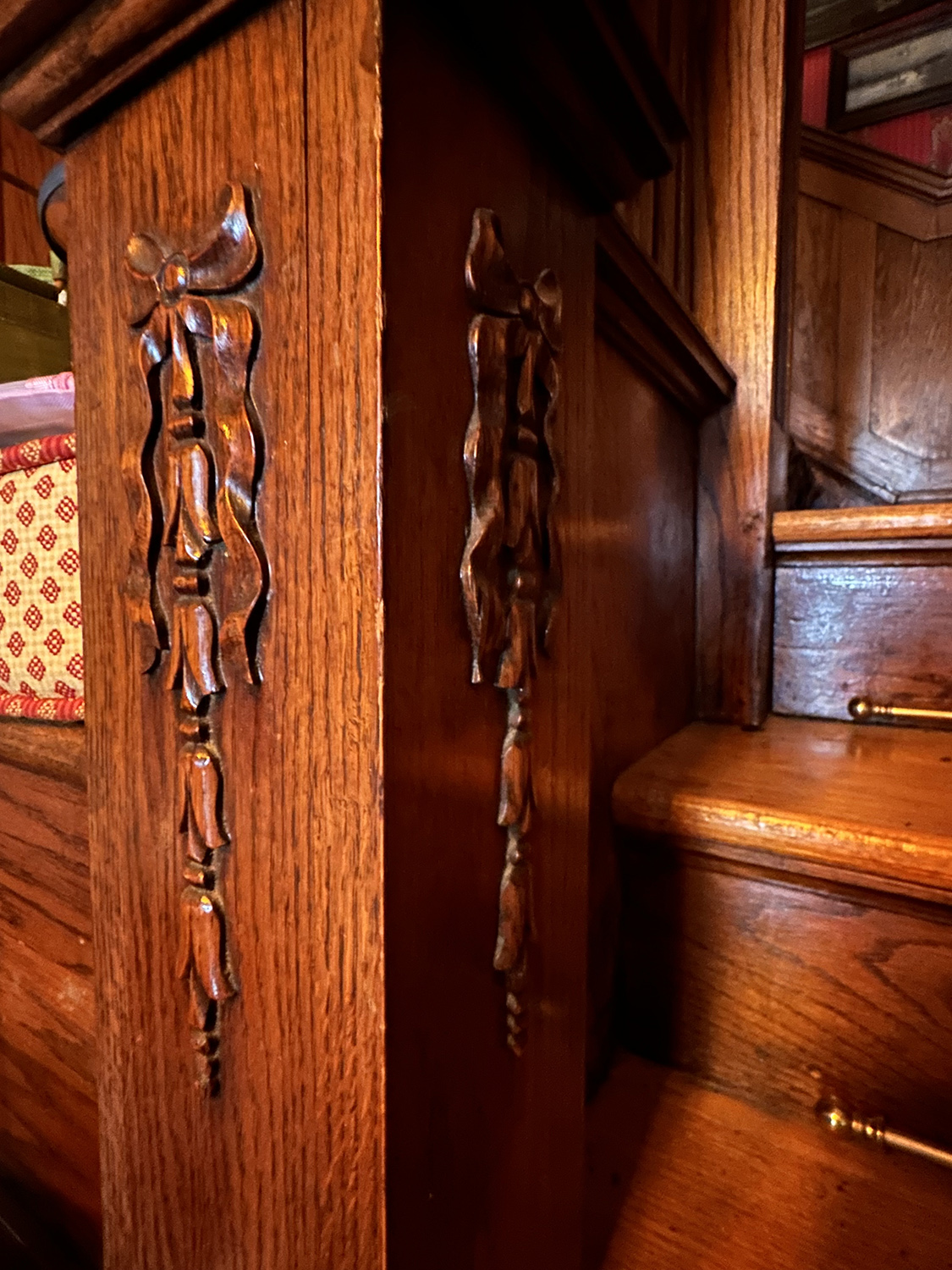
Shortly after closing, the Symphony Designers’ Showhouse committee came calling. The couple was initially skeptical, as they had envisioned a slow, DIY renovation over many years. But after a little research, they were on board. They had one firm condition: the original features stay. Wood, tile, windows, stone…all of it. Any updates would need to complement the home’s historic bones, not overshadow them.
As a vintage-loving, DIY family, they have already been scouting Kansas City antique stores for furniture, rugs, and art that speak to the home’s Prairie Style character.
“The preservation of the historic character fits really well with our family’s personal style,” Ellen emphasized.
A Home Full of Discovery
As the former owner gradually moved out, the home has continued to reveal itself. Hidden closets, unexpected windows, and unique stained glass that catches the evening light in new ways each visit. Most charming of all: a door off the dining room that appeared to lead nowhere turned out to be the home’s original carriage exit, offering a quiet nod to the life once lived within these walls.
That carriage house carries its own fascinating history. A visit to the Blue Valley Room at the Kansas City Public Library revealed an original plat of the neighborhood showing two structures on the property. Handwritten across the rear structure was the word horse, then crossed out with a single line and replaced with the word auto. This represents a small but telling artifact from the transitional era when Kansas City was trading horses for horsepower.
There is also a serendipitous thread connecting the Thedinger family to the home’s origins. Alfred J. Poor built his fortune in grain. Blair’s grandfather ran a seed company out of St. Joseph, Missouri. And for 14 years, Blair and Ellen were deeply embedded in Kansas City’s urban agriculture community. Three generations, one enduring connection to the land.
Almost Paradise: A Legacy of Welcome
For the 25 years before the Thedingers took ownership, the home belonged to Brad Redburn, who purchased it after a two-year search for exactly the right place. He knew the moment he found it.
“I walked in the front hall and thought, this looks alright,” Redburn recalled. “Then I walked to the second-floor landing and saw that every bedroom had a stained-glass panel. I looked at my agent and said, ‘Go get a contract.’”
Redburn and his late partner, who passed away from cancer about a decade ago, poured themselves into the property, renovating the deteriorating carriage house into a fully functional studio apartment and enclosing a screened porch off the kitchen into a proper eating room. But beyond the physical improvements, what Redburn gave the house was something harder to quantify: a soul.
He and his partner named it Almost Paradise, after a ramshackle Costa Rican beach resort they stumbled upon that had no business being as beautiful as it was.
“We realized it’s not about the structure,” Redburn said. “It was just beautiful despite what it looked like.” The name stuck, and the spirit behind it shaped everything that happened inside those walls for a quarter of a century.
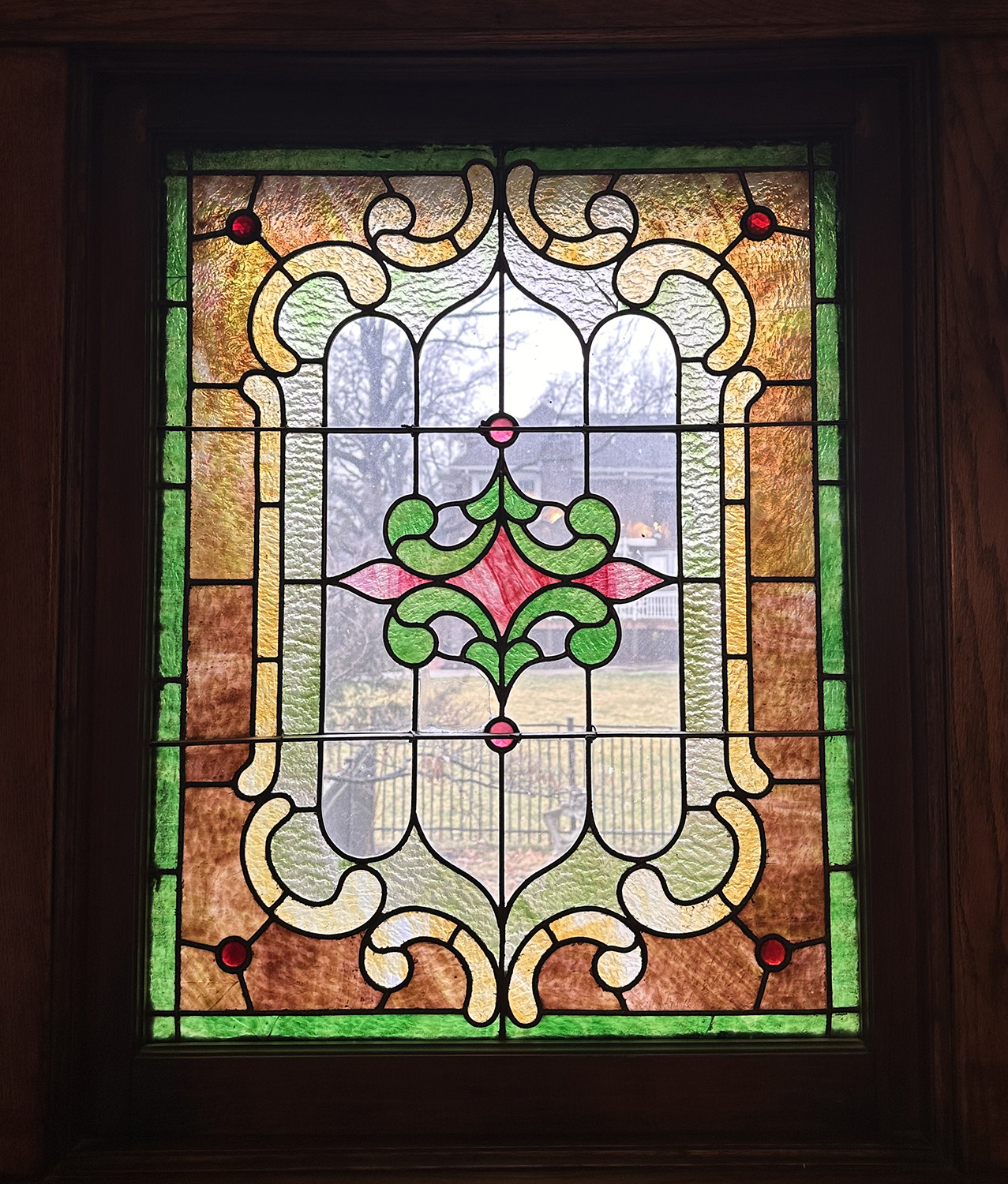
Redburn made the house a refuge. His standing rule was simple: nothing comes in unless it makes you smile. The décor leaned whimsical, with plenty of Looney Tunes memorabilia, but the deeper philosophy was serious. The back door off the deck was almost always unlocked. Neighbors and friends came and went without ringing the doorbell. No one was judged. Everyone belonged.
“You don’t live in this house,” Redburn said. “You actually have a relationship with the house.”
Over time, that relationship extended far beyond himself. Noticing that many people in his circle had nowhere to go for the holidays, whether due to family estrangement, loss, or circumstance, Redburn opened his Thanksgiving and Christmas tables to anyone who needed a seat. What began as an open invitation grew into something more like a chosen family, a core group of about 15 people who showed up year after year.
“When everybody heard I sold the house, they started calling me saying, ‘Brad, where are we going to go?’” he said.
That welcoming spirit extended to Halloween, which Redburn turned into an annual neighborhood spectacle, complete with a real tornado siren, falling spiders, coffins, and 425 pieces of candy distributed before the night was done. Over the years, young adults would show up at the door and say they had been coming to the haunted house since they were little kids. It had become part of the neighborhood’s own memory.
“I wanted it to be a safe place for people,” Redburn reflected. “When you came to my house, you could be yourself. You would not be judged. You could just be you. It was for people who were struggling, whether going through a divorce, dealing with loss, whatever it was. They could find a refuge there.”
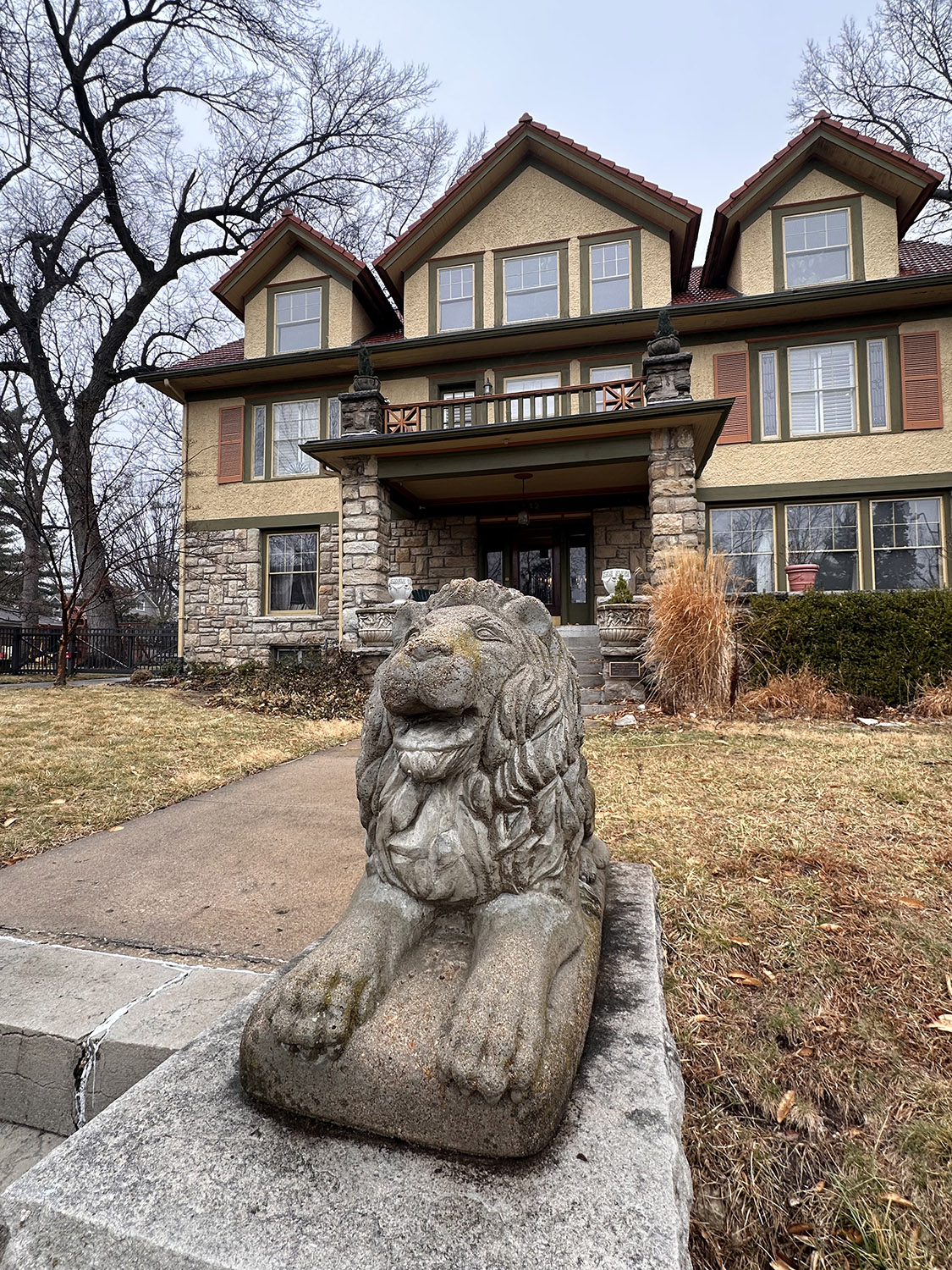
A New Chapter with that Continued Welcoming Spirit
Now, that same spirit of welcome is being passed forward.
The kitchen is generating particular excitement among the new owners. The Remodel Co. and Peak Nine Design are partnering to create a space that blends modern function with historic charm, guided by designer Amanda Slead, who has worked closely with the family to understand how they actually live. Cooking and sharing meals are central to their daily life, and they want the kitchen to reflect that warmth.
Above all, Blair and Ellen are committed to honoring what this home has always done best.
“We are very focused on continuing the tradition of wanting our home to be a welcoming and inclusive space for friends, family, and community,” Ellen said. “We plan to fill it with laughter, music, and memories.”
For a home that has witnessed more than a century of Kansas City life and has sheltered more than its share of hearts, that sounds exactly right.
.