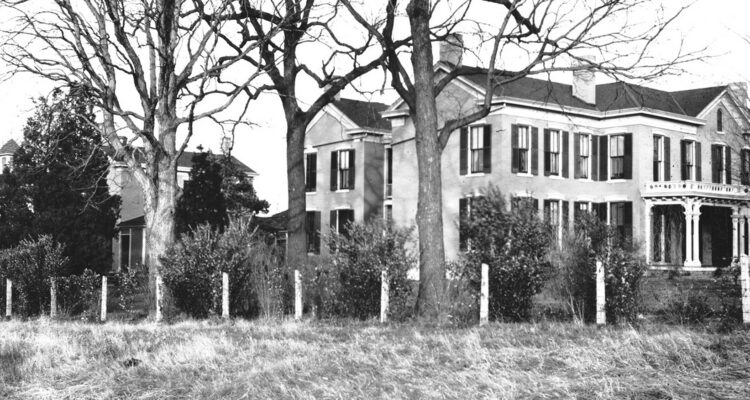

The Bent-Ward & Foster ShowHouse carries more than 150 years of Kansas City history within its Greek Revival walls.
Story by Ann Butenas
Long before Ward Parkway became one of Kansas City’s most prominent boulevards, the land it borders was already shaping the American West. The Bent-Ward & Foster ShowHouse, tucked into the Sunset Hill neighborhood at 1032 W. 55th Street, stands as one of the region’s most consequential historic properties, a home tied to the fur trade, the Santa Fe Trail, the Civil War, and the founding of modern Kansas City.
A succession of early owners included Alexander W. Doniphan, the celebrated Missouri attorney who led a legendary regiment of volunteers in the Mexican War, and William Matney, the farmer who ultimately sold the property to Bent. Dr. Johnston Lykins, a physician, Baptist missionary, and eventual mayor of early Kansas City, owned adjacent acreage during that same era. By 1858, the property had passed to William W. Bent, and it’s with Bent that the home’s story truly begins.
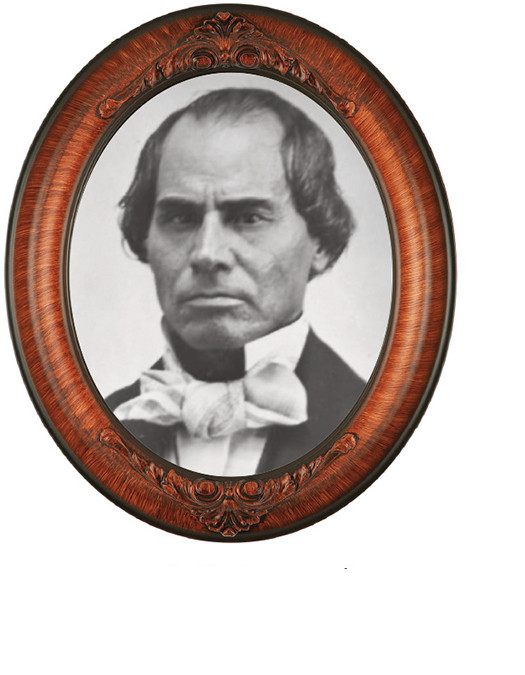 Born in St. Louis in 1809, Bent abandoned city life as a teenager to become one of the most influential figures on the frontier. With his brother Charles and partner Ceran St. Vrain, he built Bent’s Fort along the upper Arkansas River, a massive adobe trading post that served as a hub for trappers, traders, soldiers, and Native Americans for nearly 20 years. It was the commercial nerve center of the southern plains and a prototype for the Army posts that would later populate the West. When Bent eventually turned east, he purchased this Kansas City-area farmland in 1858, and contemporary accounts suggest a house stood here by the time of the Civil War, a detail that matters.
The Battle of Westport, fought October 21-23, 1864, was the largest Civil War engagement west of the Mississippi, and this property sat squarely within it. Among the primary documents Sarah Bader King, Executive Director of Wornall/Majors House Museums and the current historical research partner on the property, uncovered is this account from the 1986 Report of the Adjutant General of the State of Kansas:
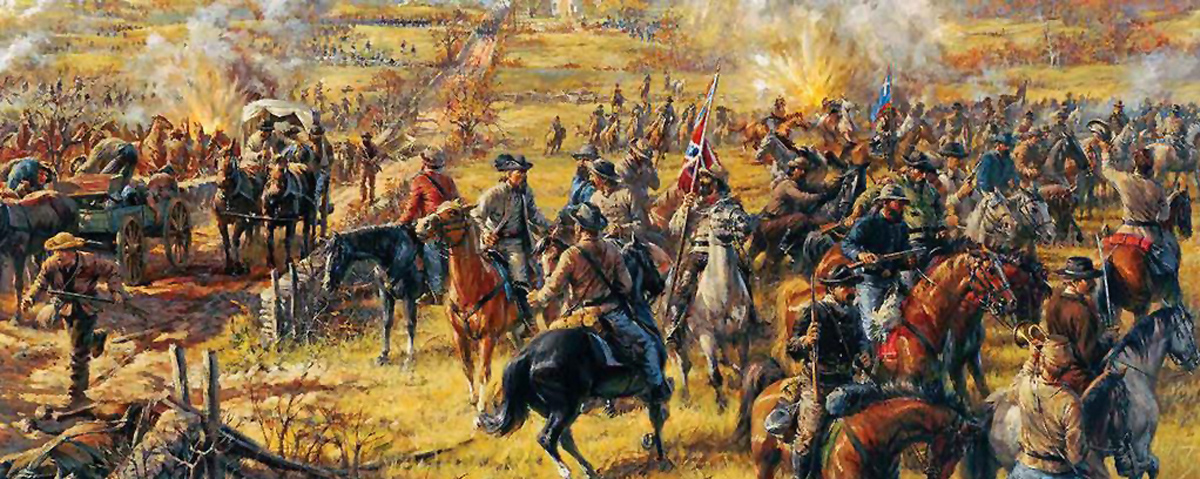
Replenishing its ammunition the 1st Brigade, then reduced to six companies, or about four hundred men, marched, about 5 o’clock on the morning of the 23rd, from Westport directly south, crossing Brush Creek and deploying soon after daylight, its first skirmish line in a cornfield south of Bent’s house, on the right of the road, the howitzers being left with the other batteries in and adjacent to the road. The 2nd Brigade was on the extreme right of the line formed. Our skirmish lines soon encountered the enemy swarming through the cornfields and in the timber southwest of Warnell’s, and the Battle of Westport was speedily opened. Meanwhile the thunders of artillery to the left told that our lines were engaged along the entire front. After a contest of varying fortunes for some minutes on our right, the 1st Brigade was withdrawn to the timber in the rear of Bent’s house, perhaps an eighth of a mile from its former position.
Bader-King noted that soldiers and generals consistently used the home as a reference point in their battlefield accounts.
“It was very central in the fighting,” she said.
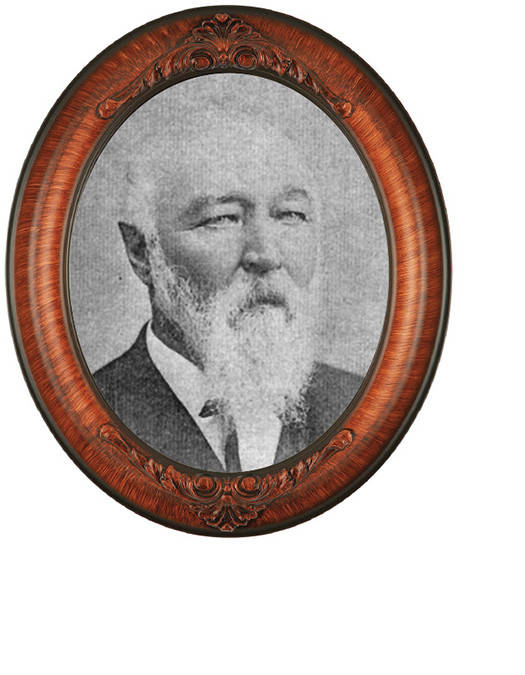 In 1871, Seth E. Ward purchased the homestead and built what stands today as the home’s primary structure, a stately, T-shaped residence designed by Asa Beebe Cross, the noted Kansas City architect behind the Board of Trade building and other prominent 19th-century landmarks in the region. The style is Greek Revival, a form popular among immigrants from Virginia and Kentucky who carried their architectural traditions into Missouri’s border states. Italianate detailing was added later, visible in the scrollwork adorning the home’s front façade.
In many ways, Ward was Bent’s natural successor. A frontier trader who worked alongside Bent and served as the official government stuler at Fort Laramie, Wyoming, Ward returned to Kansas City and built a real estate empire that would permanently shape the city’s southwest corridor. The family name graces Ward Parkway to this day, and the 440 acres Ward once owned encompass much of what is now Loose Park and the Country Club District.
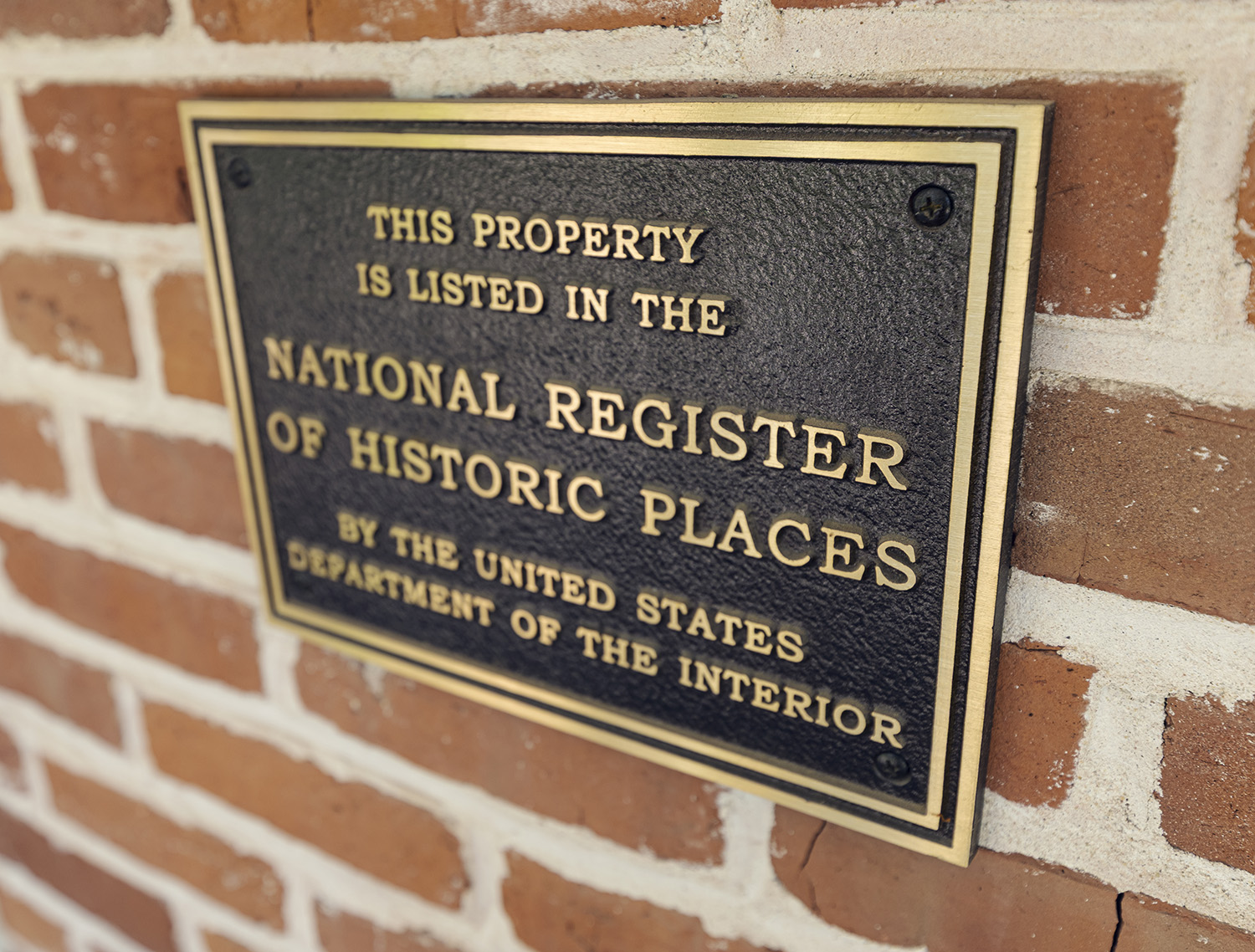
The home has seen many stewards since, including Dr. and Mrs. Frederick B. Campbell, who undertook an extensive historic restoration beginning in 1950. The home is now owned by Matthew and Henedine Foster. It is listed on the National Register of Historic Places for its architectural distinction and its deep associations with westward expansion, the Santa Fe Trail, and Missouri’s Civil War history.
One of fewer than a handful of 19th-century homes still standing in Kansas City, the Bent-Ward & Foster ShowHouse is something increasingly rare: a structure whose exterior remains strikingly true to its 19th-century origins.
As Bader-King emphasized, “Having that is valuable to understanding where Kansas City came from.”