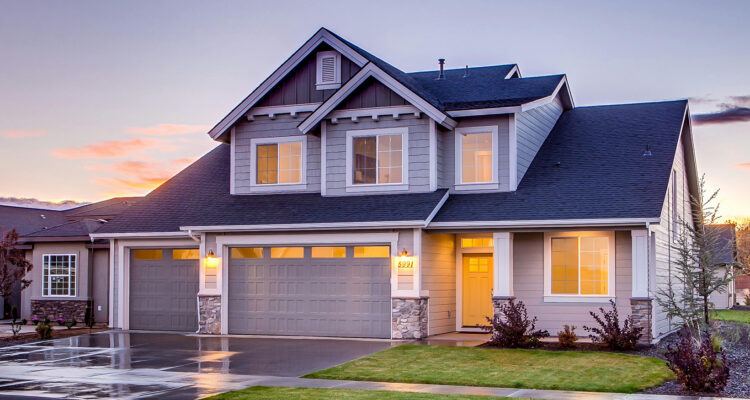

Real estate agents offer ground-level insights into what 2026 holds for homebuyers and sellers in the Kansas City metro area.
Story by Ann Butenas
While builders wrestle with supply constraints and regulatory red tape, real estate agents deal with a different set of challenges: matching buyers with scarce inventory, helping sellers price their homes right, and guiding families through one of the biggest financial decisions they’ll ever make.
Lindsay Schulze is a Senior Sales Associate with the #1 Koehler Bortnick Team at ReeceNichols and has spent the last twenty years helping Kansas City buy and sell homes. Over the course of her career, she has consistently ranked as the #1 or #2 agent on the Koehler Bortnick Team — with 95% of her business coming from repeat clients and referrals. Yet even with two decades of experience and record-setting performance, she’s the first to admit this current market is unlike anything she’s ever seen.
“This is the craziest market I have seen in 20 years,” Schulze said. “The market is ever changing daily, not seasonally. It is not a buyer’s or seller’s market; it changes house to house.”
That’s a tough reality when you’re trying to predict what 2026 might bring. Still, some patterns are starting to emerge.
What’s Happening Now
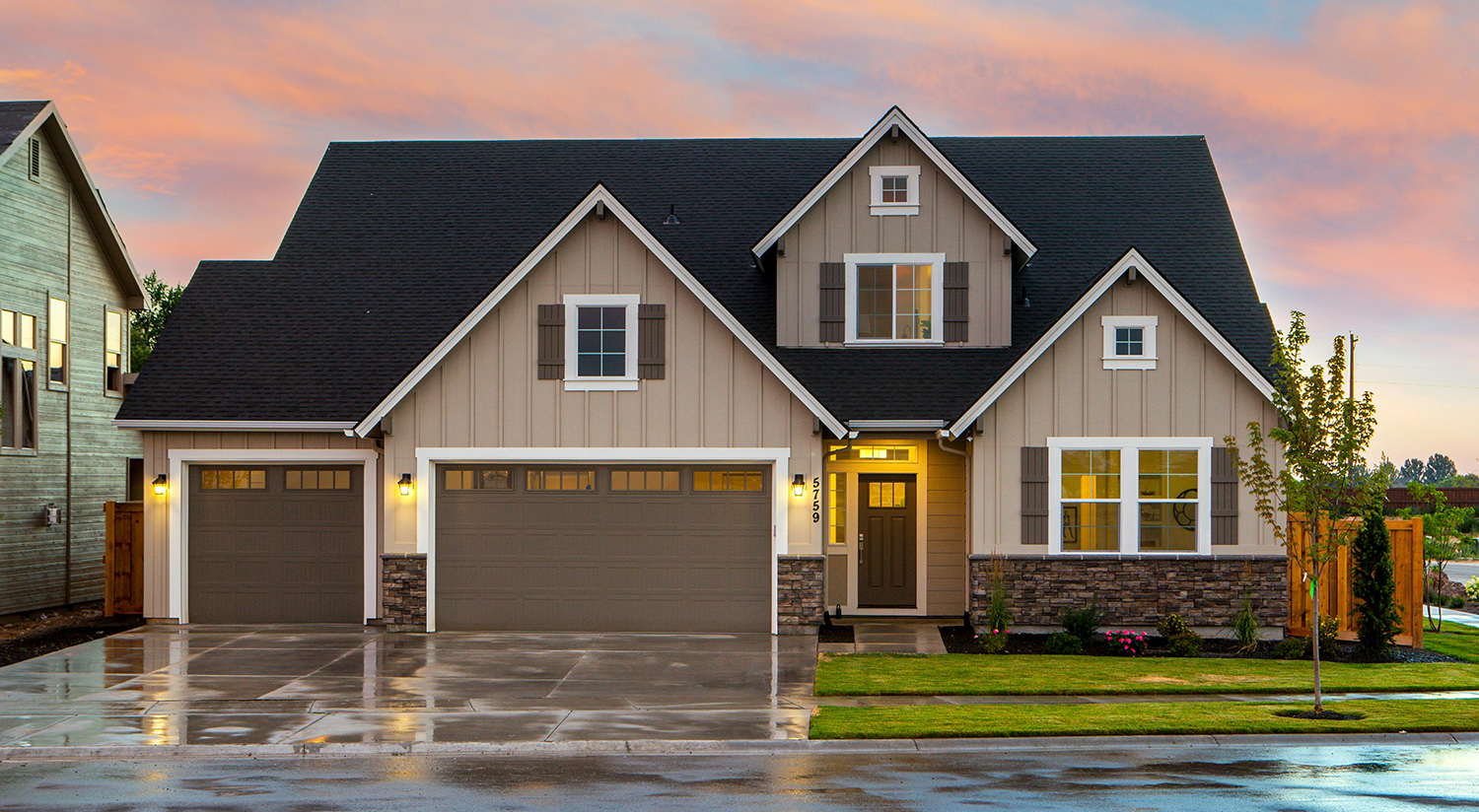
Right now, homes in Johnson County sit on the market for an average of 39 days. That’s a world away from the pandemic frenzy when houses sold in hours. Inventory is up 8 to 10 percent across all price points, which means buyers can actually take a breath before making an offer.
“Buyers have more to look at and don’t have to immediately decide,” Schulze noted.
Location is king, especially north of 95th Street. Prairie Village, Old Leawood and Mission Hills are all heating up. The common thread? Walkability. People want to be able to walk to parks, restaurants, and coffee shops.
“People are craving a lifestyle where they can walk to the places they love — not just live inside their home,” Schulze explained.
How COVID Changed Everything
The pandemic didn’t just disrupt the market; it changed what people want in a home. Home offices went from nice-to-have to essential. One or two dedicated office spaces are now standard requirements. Pools became a hot commodity, as well. Outdoor living spaces matter more than ever now.
“COVID fundamentally changed how people live in their homes,” Schulze said.
First-Time Buyers Are Struggling
First-time buyers are still out there, but they’re having a rough time. Many expect move-in ready homes but can’t afford them. The ones in decent shape get snapped up quickly.
“They can’t grasp that they will need to do things to their houses to make them livable,” Schulze observed. “They are still wanting move-in ready.”
Her advice isn’t sugarcoated, either. Buyers need to be realistic about what they can afford and willing to roll up their sleeves.
“It’s about setting them up for long-term success so they’re not house poor,” Schulze cautioned. “Sometimes putting in a little effort — a bit of DIY and some sweat equity — can take them much farther.”
She also noted interest rates hit hardest for buyers looking under $300,000. Above that price point, Schulze hasn’t seen rates slowing people down much. They just adjust their budget somewhere else (fewer dinners out, tighter spending, for example) to make the mortgage work.

The Upper End Is Hot
Luxury buyers are active right now. New construction is up about 13 percent, though that doesn’t mean buyers are choosing new over existing homes across the board.
For 2026, Schulze expected prices to keep climbing in hot neighborhoods but thought things might level off a bit overall. Sellers are getting the message that their homes won’t sell in a weekend anymore and that curb appeal matters.
Cash offers are more common than they used to be, though most buyers still need financing. Out-of-state buyers, especially from California, often get a reality check when they see Kansas City prices.
“My California buyers are surprised to learn they’re not getting sprawling estates in ‘good old Kansas,’” Schulze said. “In certain neighborhoods, the pricing is getting surprisingly close to an apples-to-apples comparison.”
The Panasonic factory coming to the area could shake things up too, potentially bringing thousands of new workers who’ll need places to live.
Looking Ahead
Schulze’s advice for anyone thinking about buying in 2026? Don’t wait.
“Jump in, the water is warm. You can’t start building equity unless you are in the market,” she advised.
Sellers shouldn’t sit on the fence, either. Schulze’s clients are still doing well, but they need to listen to her advice about getting their homes market ready.
“My sellers are still killing it, but they need to know what I tell them to prep for market is imperative,” she said.
As for making a bold prediction about 2026? Schulze didn’t stutter.
“This market is ever changing, so expect anything for 2026,” she said. “But I do feel we are in more of a bubble, so I don’t think we will get some earth-shattering change.”
In a market that shifts from house to house and day to day, maybe the smartest move is working with someone who’s seen it all before and knows how to navigate whatever comes next.

Building KC Forward
Local homebuilders navigate regulatory hurdles while demand for housing continues to outpace supply in the metro area.
Story by Ann Butenas
The Kansas City metro area stands at a crossroads heading into 2026 with a housing market brimming with opportunity yet constrained by challenges that threaten to price out the very families who call this region home.
Despite higher interest rates that have cooled markets nationwide, Kansas City’s housing demand remains remarkably strong. According to Kari English of the Homebuilders Association of Greater Kansas City, the reason is straightforward yet sobering.
“The region is currently more than 20,000 homes short of what it needs to keep up with the influx of people moving to the area,” she expressed.
This isn’t just a temporary blip; it’s a fundamental supply-and- demand imbalance that continues to shape the local real estate landscape.
For homebuilders, the path forward requires navigating what English calls “the 5 Ls:” a perfect storm of challenges that impacts every aspect of residential construction. Land has become increasingly difficult to source, with cities continuously raising requirements for development. Lumber and material prices, while somewhat stabilized since their pandemic peaks, remain significantly higher than historic norms. The labor shortage looms large, with over 200,000 construction jobs available nationally. Lines of credit have tightened as rising interest rates affect builders’ ability to finance construction. And perhaps most impactful, laws and regulations at the local level continue adding costs through increasingly restrictive requirements.
English explained the ripple effect.
“For every additional $1,000 added to the price of a home, 780 households are priced out of buying that home,” she indicated.
Development activity varies across the metro. On the Kansas side, Olathe leads with 312 single-family permits issued this year, which is the highest among tracked counties. Meanwhile, Kansas City, Missouri, possesses numerous parcels well-suited for housing development, yet as English noted, “the city’s own rules, irrespective of overall market conditions, make it much more difficult to bring housing to market.”
Looking ahead to 2026, home prices are expected to continue rising.
“Everything we buy continues to increase in cost, so I expect the cost of homes to rise as well,” English stated. “It’s a matter of how quickly costs go up. If we can avoid the skyrocketing of costs like what we saw during the pandemic, it will allow for some breathing room.”
The key to moderating those increases lies in expanding housing supply, a goal that requires coordinated action from local government and community stakeholders.
The affordability crisis hits hardest among first-time homebuyers and young families. Over the past 15 years, home prices in Kansas City have risen more than 50 percent faster than income levels. Today, more than half of Kansas City residents cannot afford the median-priced home of $459,936.
“More than half of Kansas City residents can no longer afford a median-priced home, leaving young families and first-time homebuyers priced out of the region and left to search further outside the Kansas City area,” English noted.
 In response, the Kansas City Home Builders Association launched the “Let Builders Build” campaign last August.
“The campaign highlights how complicated processes and excessive requirements are pushing homeownership out of reach for many in the Kansas City area,” English explained. “These growing barriers to homeownership highlight the critical need for more attainable housing, particularly for young families.”
She’s passionate about the campaign’s mission.
“The ‘Let Builders Build’ campaign is about creating a future where Kansas City families have the opportunity to call the region home,” she expressed. “We need to address the costly development standards and disconnected decision-making that are making it harder and more expensive to build homes.”
Community leaders can make a tangible difference by reviewing and reducing permitting timelines and fees, aligning building and zoning codes with local economic realities, encouraging growth-friendly housing options, and fostering partnerships between builders and residents.
The regulatory landscape heading into 2026 presents additional hurdles. The adoption of the 2024 International Energy Conservation Code by certain municipalities, combined with escalating impact fees and adjustments to water, tap and sewer fees, will add substantial costs to new construction. Builders also face complex government approval processes characterized by lengthy building department reviews, disconnected decision-making across city agencies, and excessive time spent securing permits.
Mortgage rates remain a wildcard. If the Federal Reserve continues addressing the federal funds rate in 2026, a lower mortgage rate environment could emerge. However, English cautioned that expectations should remain realistic.
“Historically low rates like what we saw four or five years ago are not returning anytime soon, if ever,” she said. “However, even if the Fed maintains its current monetary policy into next year, the KC metro area will remain underbuilt and housing demand will continue to outpace supply.”
Despite these challenges, English remains optimistic about Kansas City’s housing future. The region’s strong fundamentals involving steady population growth, economic opportunity and quality of life continue attracting new residents.
Her headline prediction for 2026 offers an encouraging vision.
“With less red tape and more options, KC homebuyers have it better than most,” she acknowledged.
Achieving that vision requires collaboration between builders, local officials and residents committed to ensuring the next generation of Kansas City families can afford to call this region home. The stakes are clear. The solutions are achievable. Now comes the hard work of building not just homes, but a more accessible future for Kansas City.